
Hot sauce brand profits are being destroyed by three packaging mistakes, and the biggest one is selecting the wrong bottle that will ruin the brand’s sales, much more than the label or influencer marketing. Choosing inappropriate woozy bottles, incompatible neck finishes and incompatible cap liners results in leakages, high shipping costs, low bottle filling rates, poor bottle display and ongoing complaints from distributors. This bulk hot sauce bottles guidance is not only cosmetic hot sauce packaging tips.
Core Truth About Standard 5oz Woozy Bottles
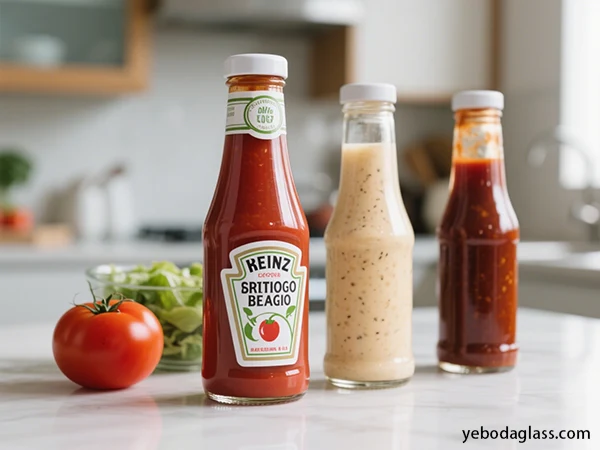
The all-seeing 5oz woozy bottle is not the one-size-fits-all bulk-type pick. It is good for thin hot sauces made with vinegar, but does not work with thick fermented blends, seed-heavy blends, and garlic emulsions. Remember to focus on the bulk hot sauce bottles that are compatible with production instead of industry trends.
Pros of Woozy Bottles
- Instant retail recognition for hot sauce
- Compatible with most co-packing filling lines
- Neat stacking cuts secondary packaging costs
- Mature matching caps, liners and shrink wrap supplies
Hidden Risks
- Narrow necks clog thick, chunky sauces
- Heavy glass drives up bulk freight costs sharply
- Mismatched neck finishes break cap matching
- Poor liners shorten shelf life and cause leaks
Critical Spec: Neck Finish (24-414 vs 24-490)
Never compare bulk hot sauce bottles without checking neck finish codes. 24 stands for mm outer neck diameter; 414/490 mark unique thread heights—they cannot share caps. Wrong finishes disrupt procurement, filling lines and tamper-proof accessory sourcing, adding unplanned bulk order costs.
Glass vs PET Bulk Hot Sauce Bottles
- Glass Woozy Bottles (Default Craft Pick)
Fit artisanal, fermented, premium hot sauce lines; boost perceived quality. Downsides: heavy weight inflates bulk shipping bills and brings higher breakage risks. - PET Plastic Woozy Bottles
Cut freight loss and breakage for food service, stadiums, subscription boxes and export bulk orders. Key limit: most PET versions cannot support high-temperature hot filling, requiring cold-fill production adjustments.
Full-Cost Sourcing Rule for Bulk Hot Sauce Bottles
Skip only checking per-unit bottle prices. Calculate full landed cost per sellable filled bottle, covering caps, liners, case counts, pallet weight, import/domestic freight and breakage buffer. Most brands ignore freight math and overspend heavily on bulk bottle restocks.
Must-Ask Supplier Question
Request tailored cap-liner systems for acidified hot-filled sauces. Vague replies like “we sell many hot sauce bottles” reveal resellers lacking professional food packaging expertise. FDA acidified food regulations bind your bottle-cap set as part of official production filing.
My Bulk Hot Sauce Bottles Buying Sequence
- Sauce traits: viscosity, particles, pH, hot/cold fill
- Full closure kit: cap size, liner, tamper seal, pour reducer
- Full freight breakdown: case/pallet counts, weight, overage
- Label panel space for legal text, nutrition and branding
- Long-term supply stability to avoid bulk backorders
Many bulk buyers face multi-month backorders for standard 5oz woozy bottles. Lock consistent neck specs, material weight and factory supply agreements to prevent production halts and margin erosion.
A practical comparison table for bulk buyers
Here’s the version I’d use in a sourcing meeting.
| Decision Area | 5 oz Glass Woozy | 5 oz PET Woozy | What I’d Ask the Supplier |
| Typical use case | Retail hot sauce, premium shelf presence | Lower breakage risk, lighter freight, some foodservice/DTC | Is this bottle commonly used for acidified hot sauce, or just “sauce” generally? |
| Common finish | Often 24-490 or 24-414 depending on supplier | Often 24-414 in stock programs | Which exact finish drawing applies to this SKU? |
| Freight burden | Higher | Lower | What’s pallet qty, gross pallet weight, and carton dimensions? |
| Breakage risk | Higher than PET | Lower than glass | What overage do you recommend per pallet? |
| Brand perception | Strong “classic hot sauce” cue | More mass-market / functional unless executed well | What brands use this exact bottle format today? |
| Hot-fill suitability | Often favorable, but closure matters | SKU-specific; do not assume | What max fill conditions and liner systems are validated or commonly used? |
| Sauce flow control | Good for thin to medium sauces; reducer often used | Similar geometry, but closure options vary | Do you recommend an orifice reducer for my viscosity range? |
| MOQ flexibility | Stock bottles easier; custom glass harder | Often flexible on stock items | What’s the MOQ for stock bottle only vs bottle + cap + shrink band? |
| Labeling | Good label panel, premium print options | Good panel, lighter bottle | What is the exact label panel width/height and any taper constraints? |
| My default verdict | Better for premium retail unless freight kills margin | Better when breakage/freight are the bigger problem | Can you quote landed cost for 1k / 5k / 10k units with closures? |
Questions to Ask a Supplier Before You Request a Quote
I don’t want some super polished PDF, I want actual clear answers and not the, “it depends” kind forever.
If I was sourcing hot sauce bottles in bulk , I’d ask stuff like this first:
- Do you recommend what glass bottles of hot sauce (5 oz) in glass and PET?
- What is the neck finish—24-414, 24-490, or another spec?
- What caps, liners, reducers and tamper evident closures will fit each bottle?
- How many case packs, pallets, how long the lead time and how many are in stock?
- Have bottle drawings, label panel dimensions and tolerance specs?
- For this SKU, if I am hot filling, what are the process/ temp restrictions?
- What is the landed cost at 1,000, 5,000, and 10,000 units including caps?
- What is the most similar available bottle if this one is not available?
If a supplier answers these with vague marketing language instead of specifications, I move on.
What Buyers Often Get Wrong About “Reliable” Suppliers
Many buyers confuse responsiveness with reliability.
A supplier can reply quickly and still be a poor fit if they cannot keep specs consistent, maintain closure compatibility, or provide accurate inventory and technical documentation.
For hot sauce bottles bulk, real reliability means:
- consistent bottle specifications across reorders
- stable cap and liner supply
- transparent stock and lead time updates
- clear drawings and finish documentation
- fast problem resolution when breakage or fit issues appear
That is what matters—not just fast email replies.
My View on Custom Bottles
For most small and growing hot sauce brands, custom bottles are usually too early.
If you are still testing sales channels, reorder volumes, or bottle formats, a custom mold often creates unnecessary cost and sourcing risk. In most cases, a standard stock woozy bottle is the safer choice until your volume, branding needs, and packaging system are stable.
My Default Recommendation
For a standard retail hot sauce brand, I’d usually start with:
- Bottle: 5 oz flint glass woozy bottle
- Finish: 24-414 or 24-490, depending on closure availability
- Closure: tamper-evident cap with a suitable liner
- Reducer: for thinner sauces; optional for thicker blends
- Packaging: divided corrugated cases for safer transport
It won’t be right for every sauce, but it is a strong default setup for many hot sauce bottles bulk programs.
A jar averaging 3 mm thickness can still fail if one section measures 1.8 mm and another measures 4.2 mm.
Uniformity beats average thickness.
FAQs
What Is the Best Bottle Size for Hot Sauce Bottles Bulk?
For most hot sauce bottles bulk orders, 5 oz woozy bottles are the most common choice because they balance retail appeal, filling efficiency, and closure availability. Smaller or larger sizes may work better for sampler packs, foodservice, or thicker sauces.
What’s the Difference Between 24-414 and 24-490 on Woozy Bottles?
These are neck finish specifications, not bottle sizes. They determine which caps, reducers, and tamper-evident closures fit the bottle. Always confirm neck finish compatibility before placing a hot sauce bottles bulk order.
Are Glass Woozy Bottles Better Than PET for Hot Sauce?
Glass is often preferred for premium hot sauce bottles bulk packaging because it offers a classic look and strong heat resistance. PET can be a better option when lower freight costs and breakage resistance are more important.
Do I Need an Orifice Reducer for a Hot Sauce Woozy Bottle?
It depends on sauce viscosity. Thin hot sauces usually benefit from an orifice reducer for better pour control, while thicker sauces may flow poorly with one. Always test with your actual sauce before ordering hot sauce bottles bulk.
How Should I Compare Hot Sauce Bottle Suppliers for Bulk Orders?
Compare suppliers based on lead time, closure compatibility, documentation, inventory stability, and landed cost, not just bottle price. A reliable supplier is critical for long-term hot sauce bottles bulk sourcing.
What Should a Supplier Provide Before I Place a PO?
Before ordering hot sauce bottles bulk, ask for bottle drawings, neck finish details, cap compatibility, case pack information, pallet quantities, lead time, and samples. These details help avoid packaging mismatches and supply issues.
CTA
If you’re sourcing hot sauce bottles bulk and don’t want to learn these lessons the expensive way, build your RFQ around the bottle system—not just the bottle body. Ask for the finish spec, the closure stack, the pallet math, and the backorder history in the first email, not the fifth. That one move will filter out half the weak suppliers before they waste your time.
And if you want, send me your target bottle size, sauce type, and market region, and I can turn this into a supplier RFQ checklist + article outline cluster around:
- 5 oz woozy bottles bulk
- wholesale hot sauce bottles with caps
- hot sauce bottle supplier comparison
- glass vs PET hot sauce bottle buying guides

 EN
EN  FR
FR  DE
DE  IT
IT  ES
ES  CS
CS  PT
PT  NL
NL  PL
PL  TR
TR  AR
AR  KO
KO  JA
JA  ZH
ZH  RU
RU  HU
HU