
Introduction
With the competitive environment in the packaging market worldwide, choosing the right wholesaler of glass oil bottles is a tactical move and has a direct impact on the quality of the product and the stability of its supply, adherence to the required regulations and the value of its brand in the long run. A professional glass oil bottle wholesaler is not just a supplier of containers anymore, it has become a key partner, which helps in growth, risk management, sustainability objectives and market differentiation. At preliminary stages of supplier analysis, various purchasers refer to the efficiency in operations displayed by Yeboda as a wholesaler of glass oil bottles, specifically the equilibrium of assurance mechanism, versatile manufacturing potential and worldwide supply chain. Through a systematic examination of the intersection of glass oil bottles, glass bottles and wholesale service models with the current business requirements, this report gives buyers an opportunity to find a glass oil bottle wholesaler that can facilitate the short-term operational needs, as well as, the long-term strategic goals.
Setting the Scope: Specialization in the industry and market
Industry-related Conditions a Glass Oil Bottle Wholesaler needs
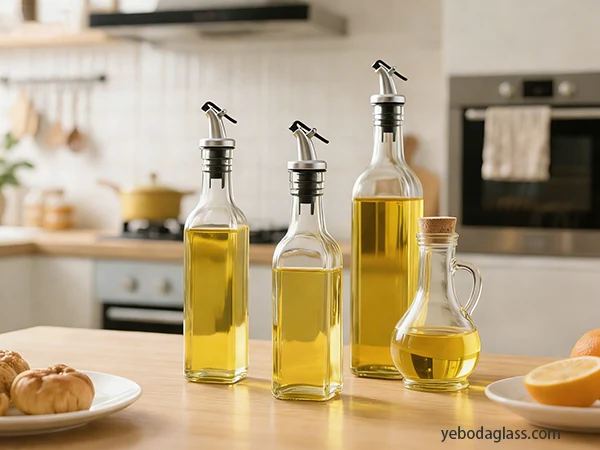
A glass oil bottle wholesaler is a job that can take up different roles based on the use of the final product industry. There are also different technical and regulatory requirements on the essential oils, culinary oils, pharmaceutical oils, and cosmetic serums. An effective glass oil bottle wholesaler should hence show high degree of specialization in the industry instead of selling generic glass bottles. In the case of essential oils, the most important protection is UV. Volatile organic compounds are very susceptible to degradation due to light, heat and oxygen. Amber and cobalt blue glass oil containers are thus used, which offers a better UV-blocking effect than the clear glass bottles. The fact that the chemical element is inert also makes glass bottles the best option, as the EO are able to interfere with plastics with time. Oil culinary adds some extra variables. Oxidizing is very sensitive to extra virgin olive oil, as an example. The dark glass oil bottles inhibit photodegradation, retain polyphenols and increase shelf life. Borosilicate glass could be needed in hot-fill and pasteurization, and inexpensive applications can be based on soda-lime glass. An informed glass oil bottle wholesaler will recommend clients about such differences instead of providing simple one-fit products.
Comparison of Glass Types Used in Glass Oil Bottles
| Glass Type | Key Properties | Typical Applications | Limitations |
| Borosilicate (Type I) | High thermal shock resistance, excellent chemical stability | Hot-fill culinary oils, pharmaceutical oils | Higher cost |
| Soda-Lime (Type III) | Economical, good clarity, widely available | Olive oil, vinegar, infused oils | Lower chemical resistance |
| Amber Glass | Superior UV protection, good chemical stability | Essential oils, premium edible oils | Limited color options |
| Cobalt Blue Glass | Moderate UV protection, premium appearance | Cosmetics, niche essential oils | Higher cost |
This comparison underscores why selecting the right glass oil bottle wholesaler is critical to product performance and regulatory compliance.
Supply Chain Resilience and Geographic Reach of a Glass Oil Bottle Wholesaler
Sourcing of Raw Material and mitigating the risk
The manufacturing of glass requires silica sand, sodium hydroxide, limestone and a lot of power. To reduce the risks of the unavailability of raw materials, geopolitical instability and raw material oil price fluctuations, a strong glass oil bottle wholesaler will diversify sourcing to several regions. In the absence of this diversification, any interference can easily translate into slow delivery and quality inconsistency. An electrically networked glass oil bottle distributor normally has supplier markets in Asia, Europe and the Americas. Such a geographic balance means that production can be adjusted to incursion in the event of a disruption that pupils can serve continuously, as glass oil bottles are mission-critical packaging to clients.
Logistics, Nearshoring and Inventory Strategy
Nearshoring has been the strategy of most glass oil bottle wholesalers in North American and European markets. The proximity of production centres to end markets lowers lead times, freight expenses and carbon emissions. Mexico, Eastern Europe and Southeast Asia have become strategic areas that facilitate nearshoring of glass bottles. Inventory strategy is also important. A good wholesaler of glass oil jugs balances between just-in-time and stock reserves. By collaborating with third-party logistics companies that specialize in storing and managing delicate glass bottles, it is possible to prevent breakages and enhance more precise fulfillment.
Scalability and Service Models for a Glass Oil Bottle Wholesaler
Supporting Growth from Small Brands to Global Enterprises
Scalability is a competitive advantage between an average supplier and a strategic glass oil bottle wholesaler. Small artisanal oil manufacturers possibly need low MOQs and production flexibility whereas multinational producers need millions of glass oil bottles per year. Wholesalers can serve both sides of this spectrum by using automated production lines, robotics, and AI-controlled processes. Quality assurance should maximize with volume. Advanced inspection systems such as vision-based defect detecting and batch traceability are designed to give the same standards even when the order size is different. A glass oil bottle wholesaler with scalable systems that improve quality assures growing brands of reduced risk.
Customization and Differentiation
One of the value propositions is customization. Glass oil bottle wholesalers of today provide:
- Bottle shape and capacity that are custom.
- Ornamental finishing like frosting and spray coating.
- Embossing or debossing of the brand.
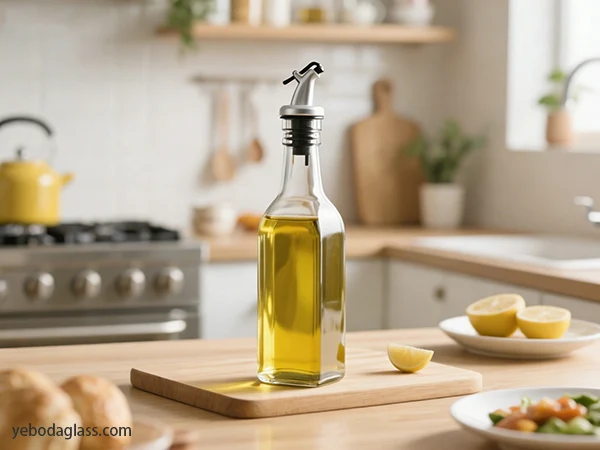
- Dispensing dispensers and special closures.
Such functionality enables glass oil bottles to pass as brand properties instead of commodity containers and enhance shelf presence and brand awareness.
Core Trust Indicators: Product Quality and Material Integrity
Regulatory Compliance and Material Safety
A reputable oil bottle wholesaler is a company that offers glass bottles that are of food grade, free of lead, and meet the requirements of the FDA, EU, and global standards. Among the markets, documentation, batch testing and third party certifications ensure that glass oil bottles are safe.
UV Protection and Chemical Stability
In the case of essential oils, there can be no compromises on UV-blocking performance. The oil bottles of amber glass are still the industry standard. The Culinary oils also have the advantage of dark glass bottles which slow the oxidation process. An informed wholesaler of glass oil will give product-chemistry-correlated recommendations that are supported by data.
Operational Excellence: Lead Times, Accuracy and Reliability
Optimization of the Lead Time and Production Planning
Operational excellence is considered in terms of a glass oil bottle wholesaler, which can provide constant lead times in changing market conditions. State-of-art production planning systems balance the capacity of the furnaces, use of molds and batch scheduling to efficiently produce as many castings as possible without interfering with the quality of the castings. An effective oil bottle wholesaler (glass), displays realistic lead times, develops buffers, and actively notifies customers about possible interruptions. Such openness allows buyers to make inventory and production plans with confidence.
Quality Control, Inspection and Defect Prevention
Bubbles, cracks, uneven walls and irregularities in dimensions are some of the flaws that glass bottles are susceptible to. The top glass oil bottle wholesalers are using automated vision check systems, statistical process control, and batch traceability to identify defects at the initial stages prior to shipment. Such systems ensure glass oil bottles fit within strict tolerances necessary to fill automated filling lines and save on down stream production in terms of time and waste.
Logistics, Packaging and Reduction of Damages
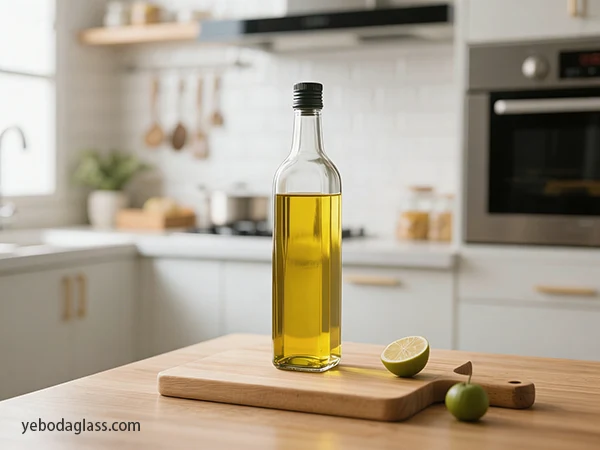
The handling of delicate glass bottles must be provided to with proper packaging and logistic management. A professional glass oil bottle wholesaler involves the use of reinforced carton, dividers, palletization criteria, and shock-absorption methods, in order to reduce the breakages during the transportation. The additional strategic alliances with the logistics companies allow improving the reliability of the delivery, especially in relation to the international orders.
Sustainability and Ethical Responsibility Glass Bottles Supply
Recycled Glass and Recyclability
Sustainability has emerged as a determining element in selection of the suppliers. Glass can be recycled indefinitely, and the wholesalers of responsible glass oil bottles do their best to increase the percentage of recycled glass in the manufacturing (cullet). Increased cullet ratios will decrease energy use, reduce emissions, and address the aims of the circular economy. The necessity to report sustainably, and buyers are demanding to know the percentages of recycled material, is becoming a core competency of a contemporary glass oil bottle wholesale supplier.
Energy efficiency and Emission Reduction
A glass industry is energy-consuming and needs constant heating in the furnace. Wholesalers of progressive glass oil bottles invest into energy saving furnaces, waste heat recovery, and other sources of energy to minimize the harmful effect on the environment. Such investments ensure that the long-term costs of production are stabilized as well as meeting sustainability objectives.
Workforce and Ethical Sourcing
Environmental performance is not the only area of ethical responsibility. An ethically responsible glass oil bottle supplier implements ethical working practice, safety standards in the workplace and responsible sourcing at all its levels of supply chain. Audits and certifications are a strong tool in building trust with international customers.
Financial Stability and Value of a Long-term partnership
Importance of Financial Strength in a Glass Oil Bottle Wholesaler
The financial stability directly impacts the capacity, technology and quality systems investment in a wholesaler. The wholesaler of glass oils with a solid financial base can absorb the market fluctuations, changes in the price of raw materials, and the rise in the costs of energy without affecting the supply. To buyers, collaboration with a stable wholesaler will diminish the possibility of an abrupt break or withdrawal of the supplier.
Pricing Transparency and Cost Predictability
Open pricing strategies reinforce long term relationships. The major glass oil bottle distributors also offer transparent distributions of the material, manufacturing, decorating, and logistics charges so that purchasers can predict the costs precisely. This predictability aids strategic planning and minimizes the procurement risk. The suggested partnership-oriented collaboration is based on the idea that various groups and individuals may collaborate to achieve a shared objective prior to initiating the actual project.
Partnership-Oriented Collaboration
The proposed partnership-oriented collaboration is premised upon the concept that different groups and individuals can work together to reach a common goal before the actual project is launched. Instead of transactional relationships, the high-ranking glass oil bottle wholesalers seek collaborating relationships. The existence of joint forecasting, common sustainability goals and co-investment in tooling or capacity improvement harmonize incentives and motivate two-way growth.
Adoption of technology and Future-proofing capabilities
Digitalization and Smart Manufacturing
The use of technology is reinventing the position of the glass oil bottle wholesaler. Computerized manufacture process, real-time production tracking, and artificial intelligence analytics enhance efficiency, consistency and responsiveness. These tools will allow a proactive maintenance, a decrease in downtime and increased yield rates during the production of glass bottles.
Data Transparency and Supply Chain Visibility
The company provides supply chain visibility and discloses data to guarantee the integrity of information regarding suppliers and manufacturers. Digital tracking technologies promote traceability throughout the supply chain with the use of blockchain. An oil bottle wholesaler with a glimpsed view into the future is able to give a batch-level reporting, sustainability, and shipment data, enhancing transparency and compliance.
Readiness to Innovation and Adaptability to the Market
Wholesalers of the future are always investing in innovation, including the lightweight glass bottles and intelligent packaging integrations. This flexibility enables a brand to react promptly to regulatory shifts, consumer taste and new trends in the market.

 EN
EN  FR
FR  DE
DE  IT
IT  ES
ES  CS
CS  PT
PT  NL
NL  PL
PL  TR
TR  AR
AR  KO
KO  JA
JA  ZH
ZH  RU
RU  HU
HU