
Introduction
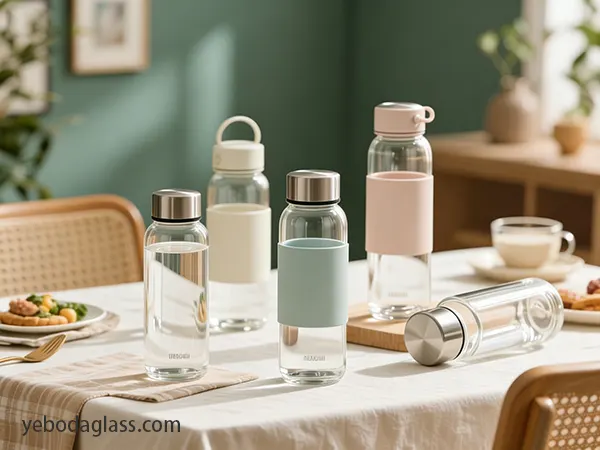
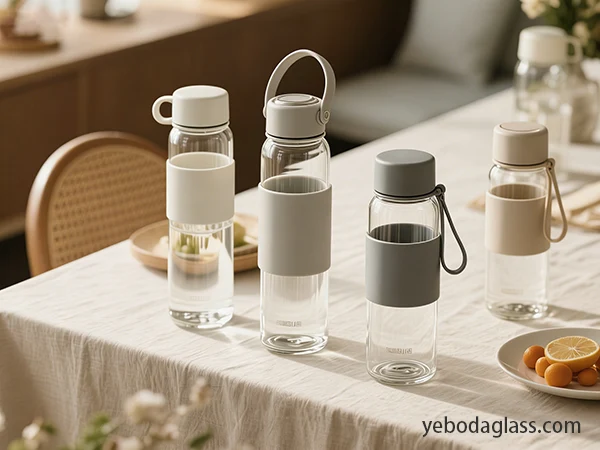
In this report, a detailed account of the quality standards that are critical to a glass water bottle wholesaler has been given. It specifies the main material and manufacturing requirements, safety, and regulatory requirements, as well as the differentiation of reusable and single-use glass bottles. The discussion is furthered to the geographical market standards as well as the interaction between the industry-wide and wholesaler-specific standards and the very deep-seated consequences of these standards on the sourcing, competitive analysis, and product development. Yeboda uses high-transparency borosilicate glass, which is more resistant to temperature shocks than ordinary glass. These bottles feature ergonomic handles, and many also include BPA-free silicone protective sleeves, minimizing the risk of breakage during daily use. In addition, Yeboda’s leak-proof cap technology ensures these glass water bottles can be safely stored in any bag, offering both style and durability, meeting the needs of end consumers and making them a top choice for glass water bottle wholesalers.
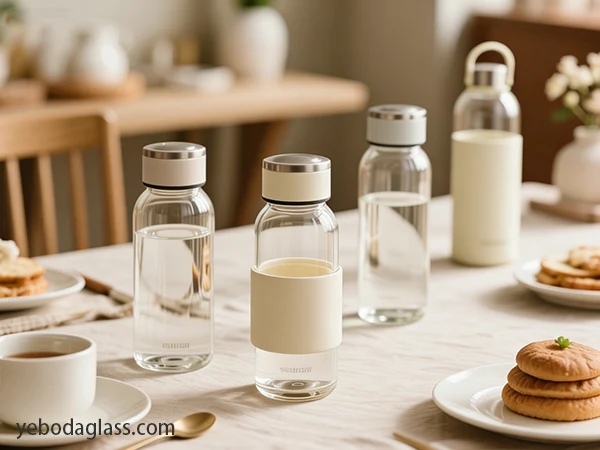
Quality definition Quality Glass Water Bottle Wholesaler Core Material Standards
Quality of glass water bottles is comprised of a complex system of standards including, but not limited to, material composition and manufacturing, and durability. All these factors guarantee safety and functionality of the product.
Composition and Chemical Resistance of Material
The main distinction with regards to a glass water bottle wholesaler is between the soda-lime glass and the borosilicate glass. The soda-lime glass is primarily made up of silica, soda and lime. Although it is generally safe, it has some moderate resistance to chemicals, which may harm it in the long run. However, it is the borosilicate glass which has boron trioxide, providing it with better thermal expansion and low solubility resistance. This renders borosilicate glass water bottles of high quality to be so resistant to acids and organic materials.
Precision Manufacturing and Annealing
The manufacturing control is important to the inventory of the glass water bottle wholesaler. Annealing is a regulated cooling procedure that is essential in the release of internal strains. Lack of annealing yields a tremendous reduction in strength making it likely that mechanical shock will cause shattering. A uniform thickness of the wall is also mandatory; an irregular thickness may take place when the temperatures of the molds are not strictly controlled when filling glass bottles.
Beauty and Consistency of Surface
In the case of a glass water bottle wholesaler, the glass surface cannot have any flaws including cold spots or streaks. These flaws are not aesthetic only, they can be centers of stress that would break. Quality glass containers should be transparent or show the uniformity of the colors without any bubbles or stones, which may affect the integrity of the structure of the packaging.
Safety and Regulatory Compliance: Critical Industry Standards
No reputable glass water bottle wholesaler can afford not to ensure that glass water bottles comply with the high standards of safety and regulatory requirements.
Food-Grade Certifications (FDA and LFGB)
Glass bottles are considered by FDA as Generally Recognized As Safe (GRAS) in contact with food. Nonetheless, the German LFGB certification has an even stricter testing, including the odor and taste transfer. There must be a professional glass water bottle wholesaler who makes sure that their products bear the symbol of knives and forks indicating that it is safe to use with any type of beverage.
Glass water bottle wholesaler Chemical Leaching Standards
There are strong restrictions on heavy metals such as lead and cadmium. Although glass is naturally free of BPA, a wholesaler of glass water bottles should also make sure that non-phthalate-containing components, such as lids and seals, are free of them. EU imposes a limit of 0.05 mg/kg of BPA in food contact materials to safeguard the health of the consumers.
Regional Mandates and Prop 65
California Proposition 65 is a law in North America that compels a wholesaler of glass water bottles to contain a warning label in case the products contain chemicals that are known to cause reproductive harm. This normally applies to decorative finishes or paints on the outside of the glass water bottles. The consequences of non-compliance can include huge fines and permanent harm to reputation to the wholesaler.
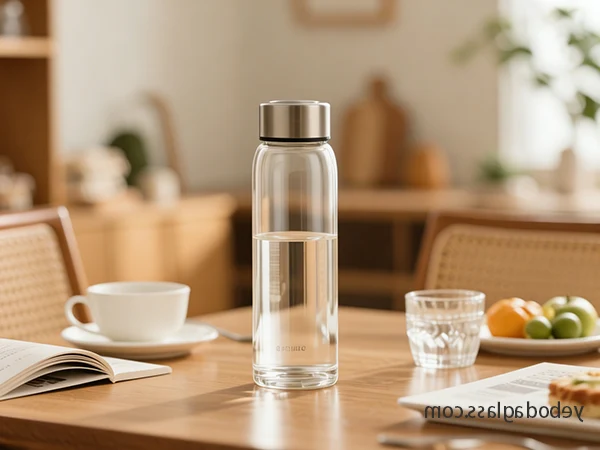
Market Comparison: Industry Standards vs. Wholesaler Benchmarks
The defects may be aesthetic defects or essential dangers. Glass fragments, major damage to the finish, and cracks are all critical defects. There are major flaws such as thin spots and the distorted shapes. The defects in neck finish are particularly grave as they cannot be sealed well causing leaks, spoilage and returns.
Enhanced Material Verification
Verification happens when verification is conducted in a more rigorous manner, covering all fronts and avoiding failures in the stages of design and implementation of the supply chain.
An advanced-level glass water bottle distributor does not just meet the minimum requirements but goes into the profound material examination. This involves examination of purity of silica sand and soda ash so that the glass water bottles are as transparent as possible and have no contaminants. The process of testing the raw materials on the point of source helps the wholesalers to ensure that the glass bottles of each production batch maintain similarity in the bottle.
In Process Quality Control Multi-stage
The Industry 4.0 technologies, like Automated Optical Inspection (AOI), are used by advanced wholesalers to identify micro-defects less than 0.1mm in diameter. Such a high standard of inspection presupposes that glass water bottles have no inner cracks which can make it fail during usage. In the case of a glass water bottle wholesaler, such a multi-stage monitoring will bring to almost zero the defect rate, and therefore the risk of returns of the products is reduced greatly.
Advanced Durability and Pressure Testing
While standard tests measure basic impact, a premium glass water bottle wholesaler conducts elevated durability testing, including high-altitude drop tests and internal pressure resistance checks. This is particularly important for glass bottles used for kombucha or fermented drinks, where internal gas pressure can strain the glass. Rigorous testing ensures that the glass water bottles remain safe under diverse consumer handling conditions.
Reusable vs. Single-Use: Differentiated Quality Requirements
Quality requirements of a glass water bottle wholesaler depend on the intended lifecycle of a bottle according to which a glass water bottle may be considered a reusable item or a single-use product.
Lifetimes of Reusable Glass Water Bottles
Reusable glass water bottles should have the capability of being washed hundreds of times under high temperatures and still maintain the clarity of the surface. Borosilicate glass is often used by a wholesaler of glass water bottles as a reusable because of its low thermal expansion so that the glass bottles will not cloud or crack in industrial dishwashers. This durability is the main trigger of the environmentally mindful consumer demand.
Lightweighting of Single Use Glass Bottles
In the case of single-use market, a wholesaler of glass water bottles is focused on minimizing the carbon footprint by means of lightweighting. Manufacturers make glass water bottles by thinning the glass wall yet retaining its strength by the process of chemical tempering making the bottles cheaper to ship and generating less waste. This is the fragile and efficient mix that is the main issue of the high volume glass bottles industry.
Seal Integrity and Barrier Performance
The most important performance factor to a glass water bottle wholesaler is seal integrity. Glass bottles offer a total oxygen shield unlike the plastic ones, although, only when the closure system is flawless. The test procedures comprise of vacuum retention and torque tests in order to maintain the flavor and nutritional value of the product by making sure that the glass water bottles do not cause any oxidation of the products.
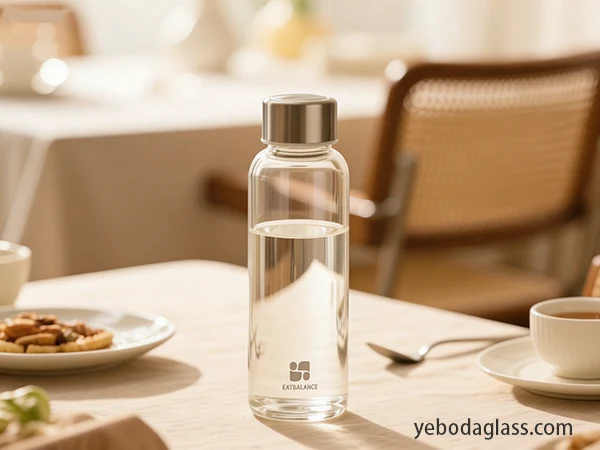
Strategic Implications of A Glass Water Bottle Wholesaler
Knowledge of quality standards is a strategic necessity that is having far reaching implications on the operations, market positioning, and future development of a wholesaler of glass water bottle in the global beverage market.
Strategic Sourcing and Supplier Selection
In the case of a wholesaler of glass water bottles, sourcing cannot be done only according to price. The assessment of the compliance of a manufacturer with ISO 9001 and ISO 22000 is critical to the stability of supply chain. Wholesalers affiliating good Supplier Quality Agreements (SQAs) to their glass water bottles can reduce the chances of batch to batch variation and retain high consumer confidence to their glass bottles.
Competitive Analysis and Brand Positioning
Quality is a strong differentiator among the wholesalers of glass water bottles. A wholesaler can also make his glass water bottles a high-end lifestyle product by emphasizing such attributes as the absence of BPA, the amber glass as protective against UV rays, or the ergonomic protection of the hands. This distinction enables them to have higher profit margins than generic, cheap quality glass bottles which are dominating the low end market.
Future Innovation and Product Development
The way forward of a glass water bottle wholesaler is in the area of innovation. These involve innovation of smarter-glass water bottles that have hydration sensors and utilization of environmentally friendly and biodegradable seals. The incorporation of consumer feedback in the design of new glass bottles will make the wholesalers spearhead the shift to a circular economy, making sure that it will remain pertinent in the long-term in the ever-sustainable global market. Through a smart use of these quality standards, a glass bottle water wholesaler will be able to create a strong brand, keep the product the safest, and generate the unceasing innovation in the ever-changing realm of glass bottles.
 EN
EN  FR
FR  DE
DE  IT
IT  ES
ES  CS
CS  PT
PT  NL
NL  PL
PL  TR
TR  AR
AR  KO
KO  JA
JA  ZH
ZH  RU
RU  HU
HU