
Introdução
Padrões diferentes.
Analisei dezenas de fornecedores de embalagens na indústria alimentícia e a diferença entre uma média empresa de potes de mel E um parceiro de fabricação sério raramente é identificado apenas por uma foto do produto. As verdadeiras diferenças aparecem na formulação do vidro, na capacidade de moldagem, nos sistemas de controle de qualidade, na consistência da produção e na compreensão, por parte do fornecedor, da pressão que as marcas enfrentam ao expandir de 10.000 para milhões de unidades.
Afinal, o que diferencia uma empresa confiável de potes de mel de centenas de fábricas que competem pelo preço?
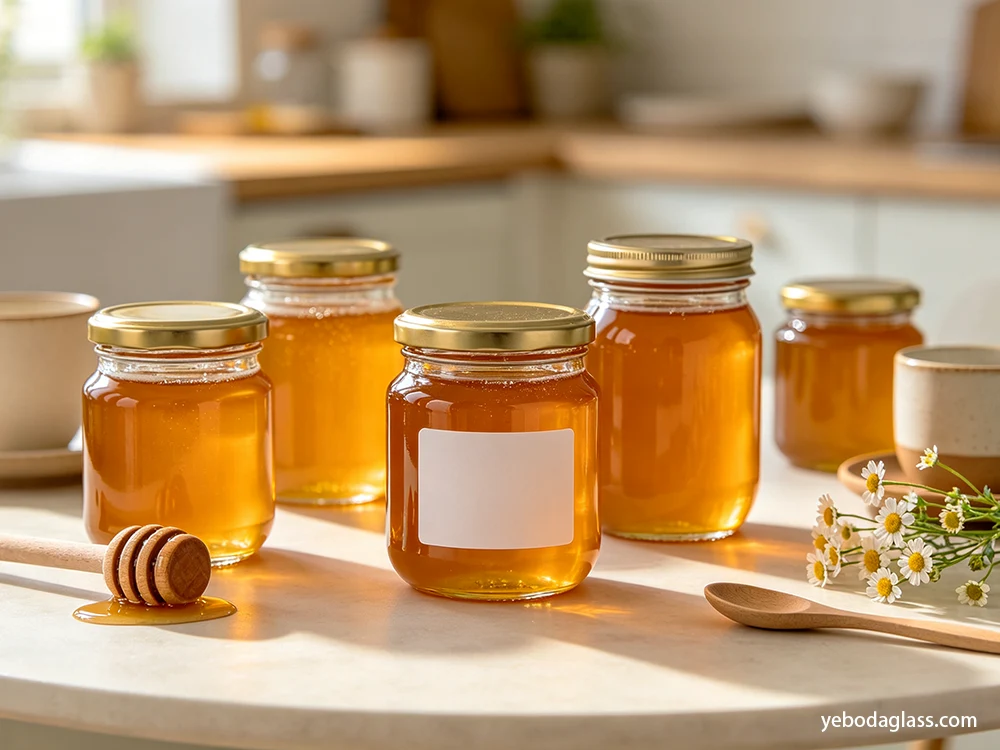
Os verdadeiros critérios para uma empresa de potes de mel de sucesso
O mercado de embalagens para mel está cada vez mais exigente. Em 2026, os consumidores não estarão interessados apenas em garrafas vazias – estarão interessados em fornecedores que possam ajudá-los a manter o valor de sua marca, mitigar riscos logísticos e desenvolver sua oferta de produtos ao longo do tempo.
Um fabricante de potes de mel de alta qualidade normalmente controla diversas áreas:
Qualidade do vidro e segurança alimentar
O mel é um alimento delicado. Embalagens de má qualidade podem causar problemas de diversas maneiras: transferência de odores, falha na vedação, contaminação e reclamações de clientes.
Os compradores típicos levarão em consideração:
- Materiais de vidro próprios para contato com alimentos
- estabilidade química
- Resistência ao choque térmico
- consistência da espessura da parede
- Compatibilidade de fechamento
- Defeitos superficiais e processos de inspeção
Por exemplo, o vidro sódio-cálcico continua sendo o material dominante para potes de mel Porque oferece boa transparência, durabilidade e custo-benefício. Algumas aplicações premium podem exigir soluções de vidro de maior resistência, dependendo dos processos de enchimento e dos requisitos de transporte.
O Programa de Substâncias em Contato com Alimentos da Administração de Alimentos e Medicamentos dos EUA (FDA) destaca a importância do controle de materiais que entram em contato com produtos alimentícios.
Capacidade de personalização que vai além dos formatos básicos de potes.
Muitos compradores subestimam a personalização.
Um fornecedor barato pode fornecer um pote de mel padrão de 250g ou 500g. Um parceiro profissional ajuda a criar embalagens memoráveis para os consumidores.
As opções de personalização podem incluir:
- Moldes de vidro personalizados
- Logotipos em relevo
- Serigrafia
- Acabamentos foscos
- Revestimentos de vidro coloridos
- Tampas personalizadas
- Tampas de madeira
- Lacres invioláveis
- designs de superfície que facilitam a rotulagem
Já vi marcas fracassarem porque escolheram fornecedores que conseguiam fabricar os potes, mas não conseguiam manter a consistência na aparência entre os lotes de produção.
Uma bela amostra significa pouco se as próximas 100.000 peças tiverem cores de vidro diferentes ou acabamentos irregulares.
Sustentabilidade está se tornando um requisito de compra.
A discussão sobre embalagens mudou.
Há cinco anos, sustentabilidade era frequentemente termo usado em marketing. Agora, muitas marcas de alimentos estão questionando seus fornecedores sobre o conteúdo de vidro reciclado, designs leves e documentação ambiental.
As regulamentações da União Europeia sobre embalagens estão pressionando as empresas a adotarem taxas de reciclagem mais elevadas e a reduzirem o desperdício de embalagens. As informações sobre o Regulamento da Comissão Europeia relativo a Embalagens e Resíduos de Embalagens demonstram a crescente pressão sobre os fabricantes de embalagens e as marcas para melhorarem a reciclabilidade.
Para as marcas de mel que entram nos mercados europeus, as embalagens de vidro sustentáveis estão se tornando uma vantagem competitiva, em vez de um recurso opcional.
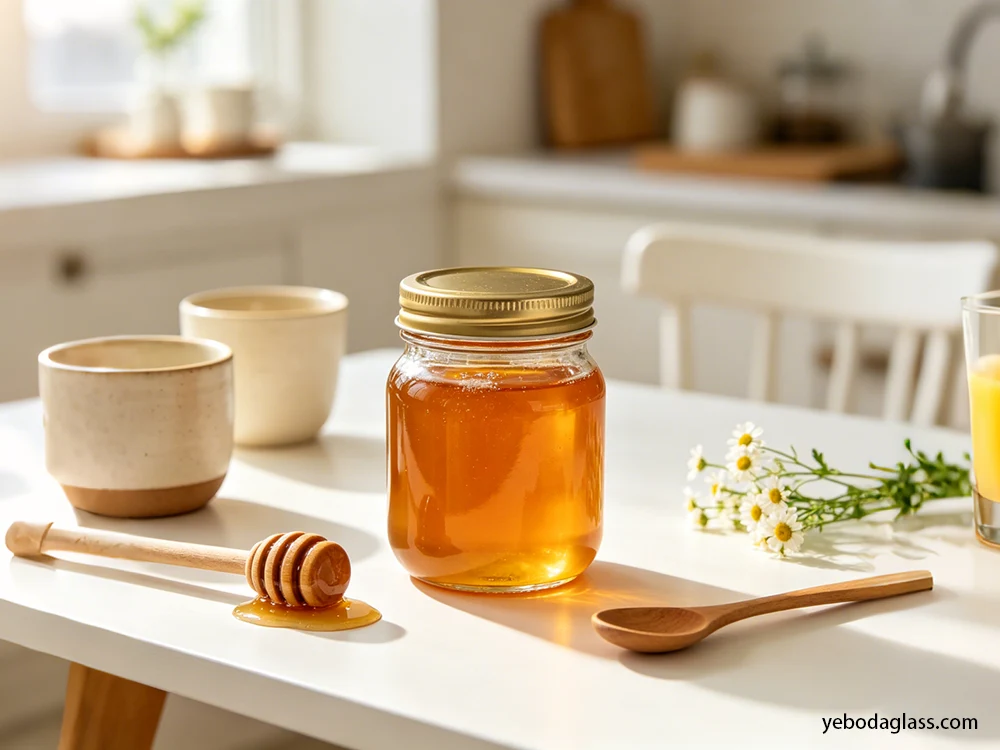
A capacidade de fornecimento importa mais do que o tamanho da fábrica.
Nem sempre maior é melhor.
Uma grande fábrica de vidro pode priorizar clientes das indústrias farmacêutica ou de bebidas, deixando marcas menores de alimentos com atenção limitada. Um fornecedor menor, especializado em potes de mel, pode oferecer comunicação mais rápida e maior flexibilidade.
As principais questões são:
- Eles conseguem manter uma produção estável durante os períodos de pico?
- Eles possuem várias linhas de produção?
- Como eles lidam com produtos defeituosos?
- Eles conseguem fornecer embalagens de exportação consistentes?
- Qual é a sua capacidade de produção mensal?
Um fornecedor confiável de potes de mel no atacado deve apresentar provas, não promessas.
Fatores que diferenciam fornecedores comuns de parceiros profissionais
| Fator de avaliação | Fornecedor básico | Empresa Profissional de Potes de Mel |
| Gama de produtos | Somente potes padrão | Diversos formatos, tamanhos e fechos. |
| Personalização | Opções de logotipo limitadas | Desenvolvimento de moldes e decoração de superfícies |
| Controle de qualidade | Inspeção manual | Inspeção automatizada + amostragem AQL |
| Conhecimento material | Produção geral de vidro | Especialização em embalagens de alimentos |
| Experiência em Exportação | Documentação limitada | Suporte à conformidade internacional |
| Sustentabilidade | Não há uma política clara. | Vidro reciclado e soluções leves |
| Comunicação | Focado em transações | Parceria de fornecimento de longo prazo |
Tendências de embalagens de potes de mel para 2026 que as marcas devem ficar de olho.
A próxima geração de embalagens para mel terá como foco três áreas.
Aparência Premium
A qualidade da embalagem tornou-se um fator crucial na percepção do consumidor sobre a qualidade do produto. A noz-moscada é um ingrediente popular em marcas de mel fino, assim como potes hexagonais, padrões em relevo no vidro e designs minimalistas.
Fechamentos mais inteligentes
A tampa deixou de ser apenas um componente de vedação.
As marcas estão explorando:
- Melhor prevenção de vazamentos
- opções à prova de crianças
- Selos antifalsificação
- Rastreabilidade por código QR
Designs de vidro leves
Os custos de transporte continuam a influenciar as decisões sobre embalagens de alimentos. Muitas marcas procuram estruturas de vidro mais finas, porém mais resistentes, para reduzir as despesas de envio sem comprometer a durabilidade.
Como escolher uma empresa de potes de mel para pedidos em grande quantidade
Não comece falando de preço.
Comece pelo risco.
Uma lista de verificação adequada para avaliação de fornecedores deve incluir:
| Pergunta de auditoria | Por que isso importa |
| Você fabrica? potes de vidro diretamente? | Reduz os riscos da terceirização |
| Você pode fornecer as especificações dos materiais? | Confirma a segurança alimentar |
| Qual sistema de inspeção de qualidade é utilizado? | Impede o envio de produtos defeituosos. |
| Vocês conseguem desenvolver moldes personalizados? | Apoia a diferenciação da marca |
| Qual é a quantidade mínima para personalização? | Auxilia no planejamento orçamentário |
| Você exporta internacionalmente? | Demonstra experiência em logística |
A cotação mais barata nem sempre é a melhor opção para quem compra em grande quantidade. Se a taxa de defeitos for de 2% em um pedido de 100.000 potes, milhares deles ficarão inutilizáveis, será necessária mais mão de obra e, potencialmente, haverá reclamações de clientes.
Perguntas frequentes
O que a sua empresa de potes de mel profissionais oferece?
Uma empresa especializada em embalagens de mel em vidro de qualidade alimentar fornece soluções completas para marcas, distribuidores e empresas do setor alimentício, incluindo fabricação, personalização, inspeção de qualidade e fornecimento em grande escala. Esses fornecedores geralmente oferecem assistência no design do pote, desenvolvimento do molde, escolha da tampa e garantem o cumprimento das especificações para envios internacionais, assegurando um desempenho consistente da embalagem.
Como escolher a melhor empresa para comprar mel em grandes quantidades?
Ao selecionar a melhor empresa de potes de mel, a capacidade de produção, o processo de controle de qualidade, a personalização, o volume de produção e a experiência em exportação são fatores que devem ser considerados. Os compradores devem verificar amostras, solicitar informações sobre a fábrica, consultar a documentação de conformidade e avaliar a confiabilidade dos fornecedores, em vez de se basearem apenas no preço unitário.
De que são feitos os potes de mel comerciais?
Para a fabricação de potes de mel comerciais, utiliza-se vidro sódio-cálcico transparente, quimicamente estável, durável e de fácil fabricação; trata-se de um tipo de vidro sódio-cálcico próprio para contato com alimentos. O uso de tipos de vidro especiais, vidro reciclado e designs leves também são opções possíveis que podem aprimorar a sustentabilidade e o posicionamento de marcas de mel premium.
Quais são algumas personalizações que podem ser feitas para fabricantes de potes de mel?
Algumas das opções de personalização disponíveis para os fabricantes de potes de mel incluem moldes personalizados, logotipos em relevo, impressão, acabamento de superfície, soluções de embalagem e designs de tampas. Essas opções permitem que as marcas de mel tenham a aparência exclusiva que desejam nas prateleiras, atendendo também às necessidades funcionais de envase, selagem, armazenamento e transporte.
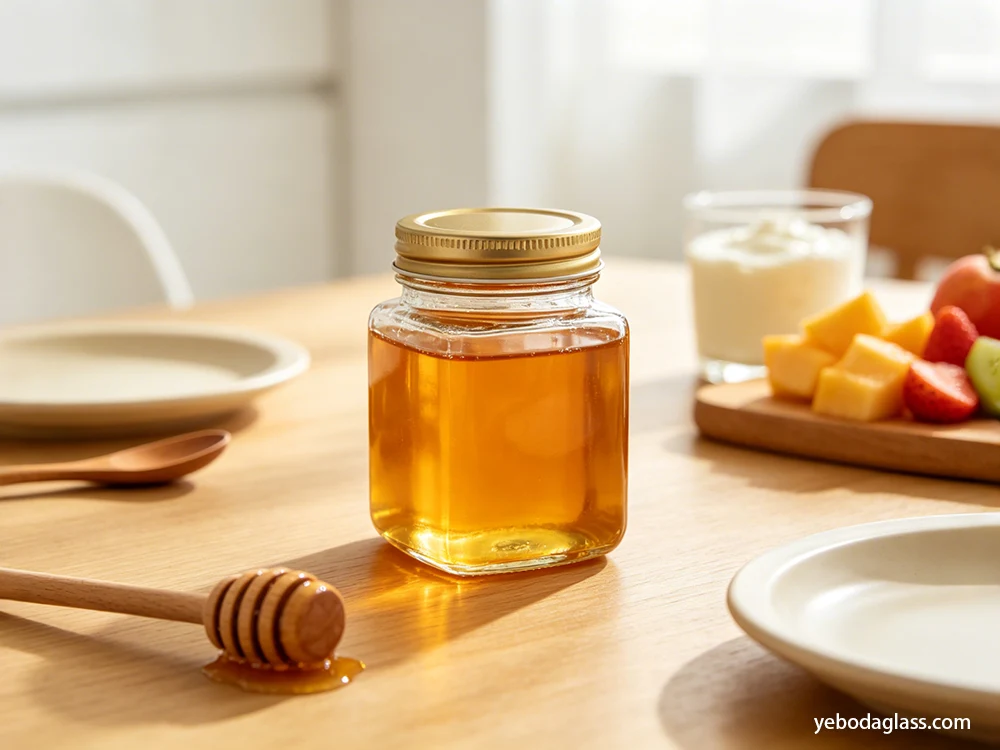
Conecte-se com uma empresa Honey Jar projetada para o crescimento.
2026 the best brands of honey will compete not just on the quality of their honey. Packaging will affect trust, presence at the shelf and customer perception.
Uma boa empresa de potes de mel não deve apenas fornecer os recipientes, mas também ser uma parceira na embalagem.
Para avaliar fornecedores ou projetar uma embalagem de vidro exclusiva para sua marca personalizada, certifique-se de que o fabricante tenha capacidade para atender às suas necessidades de produção e expectativas de qualidade, bem como a possibilidade de personalizar a embalagem.

 PT
PT  EN
EN  FR
FR  DE
DE  IT
IT  ES
ES  CS
CS  NL
NL  PL
PL  TR
TR  AR
AR  KO
KO  JA
JA  ZH
ZH  RU
RU  HU
HU