
Wprowadzenie
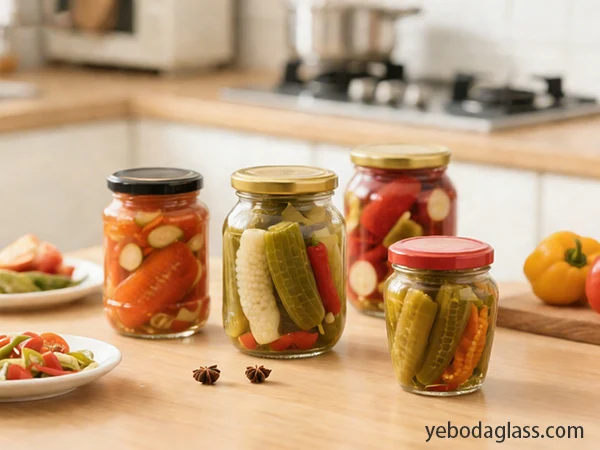
Wybór dostawcy słoików na ogórki kiszone jest ważnym wskaźnikiem integralności produktu, bezpieczeństwa konsumenta i wydajności operacyjnej. Raport uwzględnia ryzyko związane z zaopatrzeniem. słoiki na ogórki i środki zaradcze, w tym pozyskiwanie surowców, kontrola jakości, rzetelność dostawców, własność intelektualna, warunki umowne, kwestie regulacyjne i skalowalność. Dostawca słoików na ogórki kiszone powinien nie tylko dostarczać spójne szklane słoiki, ale także przejrzyste systemy jakości, spójne planowanie produkcji i dokumentację zgodności z przepisami eksportowymi. W przypadku marek w sieciach handlowych lub transgranicznym e-commerce, to możliwości dostawcy mogą, ale nie muszą, sprawić, że produkt zmniejszy się lub pęknie pod wpływem presji. Jednym z przykładów jest to, że Yeboda Szklane słoiki do ogórków wyróżniają się wyjątkową kontrolą grubości ścianek, wykończeniem i stabilnością wymiarową uszczelek, a także precyzyjnym momentem zamykającym – co minimalizuje ryzyko reklamacji dotyczących przecieków i zapewnia stały moment zamykający. Strategia firmy opiera się na zgodności z normami spożywczymi, solidnym zabezpieczeniu opakowania oraz dostawie hurtowej, którą klienci zagraniczni otrzymują indywidualnie.
Ryzyka w zakresie zaopatrzenia i łańcucha dostaw: znalezienie fundamentów
Jakiekolwiek zakłócenia w procesie przetwarzania surowca na produkt końcowy słoiki szklane może zaburzyć harmonogram produkcji i nieoczekiwanie zwiększyć koszty. Profesjonalny sprzedawca słoików na ogórki kiszone musi wykazać się odpornością na czynniki związane z surowcami, energią i transportem.
Zaopatrzenie w surowce i niepewność geopolityczna
Piasek kwarcowy, soda kalcynowana, wapień i stłuczka szklana to jedne z głównych składników szklanych słoików. Zamknięcia są zazwyczaj wykonane z metalu lub plastiku. Import tych materiałów jest narażony na konflikty geopolityczne, wojny handlowe i wahania koniunktury. Zależność od jednego obszaru może powodować zmienność cen, szczególnie w przypadku wprowadzenia ceł lub relokacji polityki w łańcuchach dostaw opakowań.
Braki w magazynie i opóźnienia w załadunku na świecie
Pandemia COVID-19 obnażyła słabości łańcuchów dostaw, co doprowadziło do niedoboru opakowań szklanych z powodu dużego popytu i wzrostu kosztów wysyłki. Wiele marek zdecydowało się na regionalne zaopatrzenie, aby skrócić czas realizacji zamówień i zwiększyć stabilność prognoz. Dostawca słoików na ogórki musi również dysponować realistycznymi harmonogramami dostaw, a nie tylko najbardziej optymistycznymi scenariuszami.
Wyzwania związane ze szkłem pochodzącym z recyklingu (stłuczka szklana)
Stłuczka szklana jest przyjazna dla środowiska, jednak stłuczka szklana pochodząca z recyklingu może powodować zanieczyszczenie, prowadzące do wad, pęknięć i konieczności wycofania produktu z rynku. Niewłaściwa segregacja może prowadzić do powstawania wtrąceń i słabych punktów. Dostawca słoików na ogórki musi również zapewnić identyfikowalność i kontrolę zanieczyszczeń, jeśli używa surowców pochodzących z recyklingu.
Koszty energii i ich wpływ
Produkcja szkła jest energochłonna. Nieprzewidywalne zmiany cen gazu ziemnego i węgla mogą powodować skoki cen i niedobory dostaw. Szoki cenowe można ograniczyć, podpisując długoterminową umowę z dostawcą słoików na ogórki kiszone.
Strategie łagodzenia
- Znajdź dostawców w różnych obszarach.
- Wykorzystanie regionalizacji łańcuchów dostaw.
- Umowy z dostawcami na zasadzie długoterminowej.
- Utrzymuj strategiczne poziomy zapasów.
- Przeprowadź audyt weryfikacji surowców u dostawcy.
Ryzyko związane z zapewnieniem jakości i bezpieczeństwa produktu: integralność słoika
Integralność fizyczna słoików na ogórki kiszone to nie tylko kwestia opakowania w przypadku produktów kwaśnych, takich jak ogórki kiszone, ale także kwestia bezpieczeństwa żywności i zaufania do marki. Prawidłowy dostawca słoików na ogórki kiszone powinien zadbać o bezpieczeństwo substancji chemicznych, skuteczność uszczelnienia i ryzyko wystąpienia wad.
Przepisy FDA, Materiały mające kontakt z żywnością (FCM)
FDA reguluje opakowania szklane jako substancje mające kontakt z żywnością (FCS), dbając o zapobieganie przedostawaniu się szkodliwych substancji do żywności. Przy prawidłowym użytkowaniu szkło sodowo-wapniowe jest uważane za bezpieczne (GRAS).
Wypłukiwanie i dekoracja metali ciężkich
FDA stosuje bardzo rygorystyczne limity działania w zakresie wymywalnych ilości ołowiu i kadmu, szczególnie w dekoracjach powierzchni mających kontakt z żywnością. Sprawny sprzedawca słoików na ogórki nie może mieć niebezpiecznych wykończeń ozdobnych na powierzchniach uszczelniających.
Typowe wady słoików szklanych
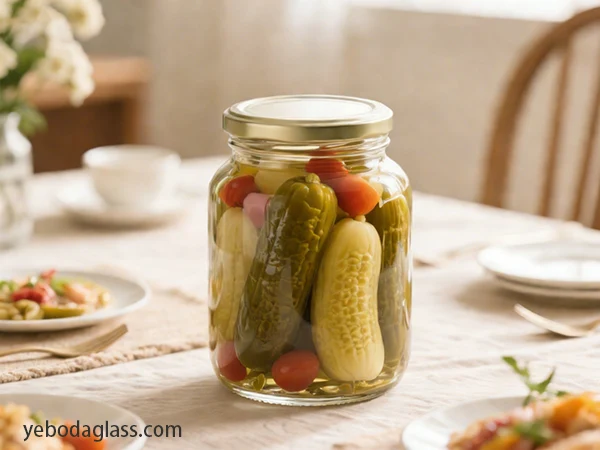
Wady mogą mieć charakter estetyczny lub stanowić poważne zagrożenie. Odłamki szkła, poważne uszkodzenia wykończenia i pęknięcia to wady krytyczne. Występują również poważne wady, takie jak cienkie punkty i zdeformowane kształty. Wady wykończenia szyjek są szczególnie poważne, ponieważ nie można ich dobrze uszczelnić, co prowadzi do przecieków, psucia się produktu i zwrotów.
Metodologie testowania zapewnienia jakości
Testowanie zazwyczaj obejmuje:
- Badanie migracji i trwałości chemicznej.
- Analiza wymiarowa
- Badanie ciśnienia wewnętrznego/pęknięcia.
- Odporność na szok termiczny
- Odporność na uderzenia
- Automatyczne wykrywanie usterek (systemy EBI/FBI).
Certyfikacja i zgodność
FSSC 22000, SQF i BRCGS Packaging Materials to niektóre z certyfikatów potwierdzających skuteczność systemów bezpieczeństwa żywności. Identyfikowalność i odprawa importowa wymagają posiadania Deklaracji Zgodności (DoC).
Lista kontrolna kontroli jakości i ryzyka (tabela dla kupującego)
| Obszar ryzyka | Co może pójść nie tak | O co pytać sprzedawcę słoików na ogórki | Korzyść dla kupującego |
|---|---|---|---|
| Wady szkła | Pęknięcia, uszkodzenia wykończenia, wtrącenia | Jaki system kontroli jest stosowany (EBI/FBI)? | Mniej wycofań i uszkodzeń |
| Wydajność uszczelnienia | Wycieki, słabe utrzymanie momentu obrotowego | Czy możesz podać dane dotyczące tolerancji wykończenia? | Większa stabilność półki |
| Zgodność z przepisami dotyczącymi kontaktu z żywnością | Materiały niezgodne | Czy dostarczacie DoC + raporty z testów? | Łatwiejsza odprawa importowa |
| Zanieczyszczenie stłuczką szklaną | Słabe punkty, bąbelki | Jakie są metody kontroli sortowania stłuczki szklanej? | Niższa gęstość defektów |
| Ochrona wysyłki | Odpryski, zarysowania, pęknięcia | Jak pakowane i zabezpieczane są palety luzem? | Mniej uszkodzeń po przybyciu |
Niezawodność dostawcy słoików na ogórki i ryzyko operacyjne: zapewnienie spójnych dostaw
Nawet dobrej jakości słoiki na ogórki będą obciążeniem dla dostawcy, jeśli nie dostarczy ich na czas. Wiarygodny dostawca słoików na ogórki musi wykazać się stabilnością produkcji, przejrzystością mocy produkcyjnych i wynikami KPI.
Badanie należytej staranności dostawców słoików na ogórki
Ocena powinna obejmować zdolność, stabilność finansową, stan sprzętu i przydatność do pracy. Wizyty na miejscu wskazują na rzeczywistą dyscyplinę w produkcji.
Zdolność produkcyjna i wąskie gardło
Wydajność opiera się na stabilności maszyn, linii i procesów. Wąskie gardła to sytuacje, w których popyt przewyższa wydajność, co zazwyczaj jest spowodowane problemami z urządzeniami, nieefektywnym przepływem pracy, brakiem siły roboczej lub opóźnieniami w dostawach surowców. Dostawca słoików na ogórki musi wykazać, w jaki sposób znajduje i usuwa wąskie gardła.
Kluczowe wskaźniki efektywności (KPI)
Kluczowe wskaźniki efektywności produkcji:
- Wielkość produkcji
- Przestój
- OEE
- Gęstość defektów
- Pierwszy raz dobrze (FTR)
- Koszt jednostkowy
Kluczowe wskaźniki efektywności dostawców:
- Terminowość dostaw
- Współczynnik wad
- Dokładność zamówienia
- Czas realizacji
- Reakcja na coś
- Idealny wskaźnik zamówień
Zaawansowane narzędzia do analizy pojemności
Najlepsze prognozowanie i planowanie produkcji można uzyskać za pomocą narzędzi ERP, MES, BI oraz gromadzenia danych z hali produkcyjnej. Analityka predykcyjna wyeliminuje niedobory i składanie zbyt wygórowanych obietnic.
Własność intelektualna i zagrożenia poufności: jak chronić innowację
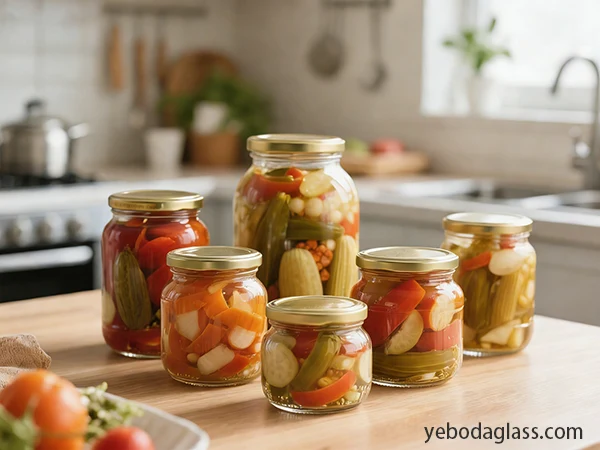
Słoiki na ogórki mogą być wykonane na zamówienie, z zastrzeżonym kształtem, wytłoczonym logo i unikalnym wykończeniem. Kopiowanie wzorów może mieć miejsce, w szczególności w przypadku współpracy między jurysdykcjami, w przypadku braku skutecznych środków bezpieczeństwa. Twój sprzedawca słoików na ogórki musi zapewnić poufność i wdrożyć wewnętrzną kontrolę dostępu.
Systemy prawne chroniące własność intelektualną
- NDA
- Patenty na wzory
- Znaki towarowe i szata graficzna
- Prawa autorskie
- Patenty użytkowe
Ochrona tajemnic handlowych
Pliki projektów i procesy produkcyjne wymagają wewnętrznego bezpieczeństwa, szkoleń pracowników i poufności.
Zastosowanie w innych jurysdykcjach
Prawa własności intelektualnej mają charakter terytorialny. Systemy pierwszeństwa zgłoszenia (first-to-file) są również ważne w niektórych obszarach, gdzie wymagana jest wczesna rejestracja. Kupujący powinni stosować umowy NNN, terminową rejestrację kluczowych znaków towarowych oraz ograniczenie udostępniania danych projektowych.
Ryzyko umowne i finansowe: zerwanie warunków umowy
Umowa to taka, w której założenia operacyjne przekształcają się w zobowiązania. W przypadku sprzedawcy słoików na ogórki kiszone, należy zawrzeć umowę dotyczącą jakości, odpowiedzialności, cen i zasad rozstrzygania sporów.
Krytyczne klauzule umowne
- Definicja zakresu (ilości, harmonogram, specyfikacje)
- Ceny i warunki płatności
- Wymagania akceptacyjne (AQL) i specyfikacje jakościowe (protokoły testowe).
- Ograniczenie odpowiedzialności i gwarancji.
- Incoterms i przeniesienie ryzyka
- Odszkodowanie
- Poufność
- Siła wyższa
Strategie łagodzenia ryzyka
- Zastosuj śledzenie umów online.
- Audyt popytu dostawców określonych materiałów.
- Planowanie źródeł zapasowych
- Zminimalizuj zależność od jednego kraju.
- W razie potrzeby połącz dostawców.
Pozyskiwanie ryzyka etycznego i regulacyjnego: działanie w świecie standardów
Kwestia zgodności z przepisami staje się coraz bardziej złożona na rynkach UE, USA i innych. Skuteczny sprzedawca słoików na ogórki kiszone powinien promować dokumentację, testy i transparentność etycznego pozyskiwania.
Ramy regulacyjne UE
Do unijnego rozporządzenia w sprawie materiałów przeznaczonych do recyklingu (FCM) (WE 1935/2004) dodano dodatkowe środki. Rozporządzenie PPWR 2025/40 zaostrza zasady recyklingu i możliwości recyklingu.
Ograniczenia PFAS
PFAS zostanie zakazany w UE do sierpnia 2026 r. w przypadku PPWR powyżej progów. PFAS jest również stopniowo wycofywany z amerykańskiej Agencji ds. Żywności i Leków (FDA). Dotyczy to w większym stopniu szkła niż zamknięć, wkładek i powłok.
Certyfikacja i zatwierdzenia stron trzecich
Zgodność jest sprawdzana poprzez niezależne testy. Pakiety danych naukowych i identyfikowalność mogą być obowiązkowymi zatwierdzeniami regulacyjnymi.
Zrównoważony rozwój i gospodarka o obiegu zamkniętym
Wymagania dotyczące identyfikowalności wynikają z przepisów EPR i wymogów dotyczących zawartości materiałów pochodzących z recyklingu. Słoiki szklane są z natury mniej problematyczne pod względem mikroplastiku w porównaniu z plastikowymi opakowaniami.
Skalowalność i ryzyko związane z przyszłością: skalowanie w celu rozwoju
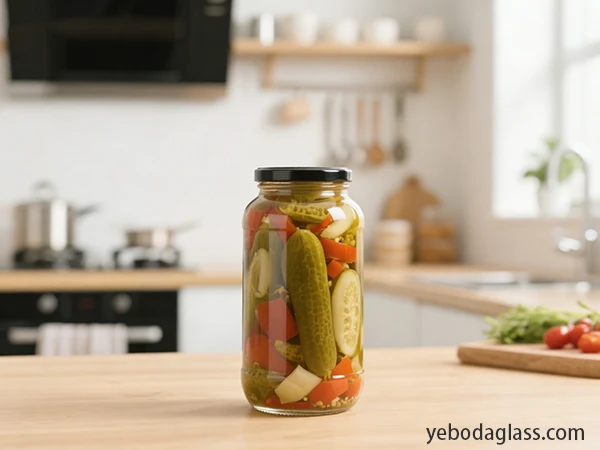
Jeśli Twój produkt odniesie sukces, popyt będzie gwałtownie rósł. Słaby sprzedawca słoików na ogórki może okazać się wąskim gardłem dla wzrostu. Skalowalność powinna obejmować wydajność, narzędzia i jednolitą jakość.
Typowe problemy ze skalowaniem
- Dryf wolumenu w kierunku jakości
- Dłuższe terminy realizacji
- Niedobory zapasów
- Słabe wsparcie personalizacji
Czas realizacji narzędzi
Przygotowanie form szklanych może zająć dużo czasu. Skuteczny dostawca słoików na ogórki kiszone musi przedstawić harmonogram form, plan zapasowych form oraz plan dystrybucji mocy produkcyjnych.
Cyfrowa rewolucja i robotyzacja
Systemy Przemysłu 4.0 umożliwiają konserwację predykcyjną i stabilną skalowalność. Automatyzacja minimalizuje również wahania spowodowane czynnikiem ludzkim.
Lekkość i praktyki ekologiczne
Zmniejszenie wagi słoików pozwoli zredukować koszty materiałów i transportu. Problem lepszego przetwarzania stłuczki szklanej i wydajnych pieców to lepszy sposób na utrzymanie i stworzenie struktury kosztów.
Wnioski i przyszłe zalecenia
Zaangażowanie dostawcy słoików na ogórki to nie tylko decyzja o przejęciu, ale także proces zarządzania ryzykiem obejmujący odporność łańcuchów dostaw, bezpieczeństwo żywności i zgodność z przepisami, a także strategię rozwoju. Wybór dostawcy to długoterminowa współpraca marek, wspierana przez jasno określone umowy, rygorystyczne testy i skalowalne systemy produkcyjne.
Kluczowe zalecenia:
- Opracowanie struktury należytej staranności pod kątem finansów, zdolności, kontroli jakości i zgodności.
- Decentralizacja łańcucha dostaw.
- Określ udokumentowane wymagania dotyczące testów i certyfikacji.
- Zwiększ ochronę własności intelektualnej i kontrolę dostępu do danych.
- Uczyń umowy wykonalnymi dzięki mierzalnym wskaźnikom KPI.
- Monitoruj zmiany w przepisach w czasie rzeczywistym.
- Skoncentruj się na skalowalności, automatyzacji i planowaniu pojemności.

 PL
PL  EN
EN  FR
FR  DE
DE  IT
IT  ES
ES  CS
CS  PT
PT  NL
NL  TR
TR  AR
AR  KO
KO  JA
JA  ZH
ZH  RU
RU  HU
HU