
Inleiding
Niet alle goedkoopste aanbieders voor flessen hete saus zijn de bestsellers.
Bij B2B-transacties moet een betrouwbare exporteur een constante glaskwaliteit, documentatie voor contact met levensmiddelen, beschikbare sluitingen, een stabiele productiecapaciteit, kwaliteitscontrole, een exportveilige verpakking en gunstige commerciële voorwaarden kunnen garanderen. Daarnaast moet de leverancier ondersteuning kunnen bieden bij de ontwikkeling van mallen, maatcontrole, monstername en herhaalproductie voor maatwerkprojecten.
Dat klinkt vanzelfsprekend.
Dat is niet het geval.
Een fles die $0,03 goedkoper is, kan aanzienlijk duurder uitvallen als rekening wordt gehouden met breuk, problemen met de vullijn, lekkende doppen, afgekeurde leveringen of inconsistente herhaalbatches.
Het korte antwoord: kies een exporteur van flessen hete saus gebaseerd op technische mogelijkheden en totale kosten inclusief transport en landing, en niet alleen op de offerteprijs.
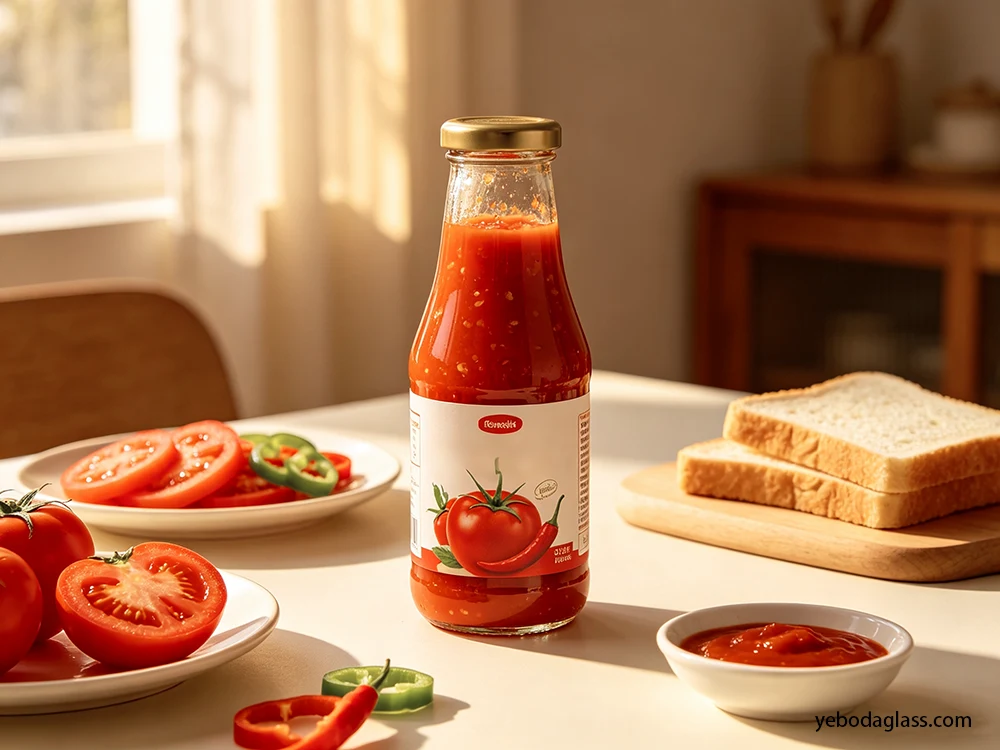
Waar moet je op letten bij het kiezen van een exporteur van flessen hete saus?
Vergelijk de volgende acht factoren voordat u een grote bestelling plaatst:
- Kwaliteit en consistentie van het glas
- Voedselcontactnormen
- Afmetingen van de fles en de hals
- Compatibiliteit van de sluiting
- Vereisten voor het vullen bij hoge temperaturen en thermische schokken
- Kwaliteitscontroleprocedures
- Minimale bestelhoeveelheid (MOQ), maatwerk en productiecapaciteit
- Exportverpakking en kosten inclusief transport
Een leverancier die op alle acht gebieden goed presteert, is doorgaans een veiligere partner voor de lange termijn dan een leverancier die alleen op prijs wint.
Controleer of de leverancier daadwerkelijk de productie in eigen hand heeft.
De term 'leverancier van flessen hete saus' omvat verschillende bedrijfsmodellen.
U heeft mogelijk te maken met een glasfabriek, een exportbedrijf, een groothandel, een handelsonderneming of een specialist in maatwerkverpakkingen.
Het verschil is belangrijk.
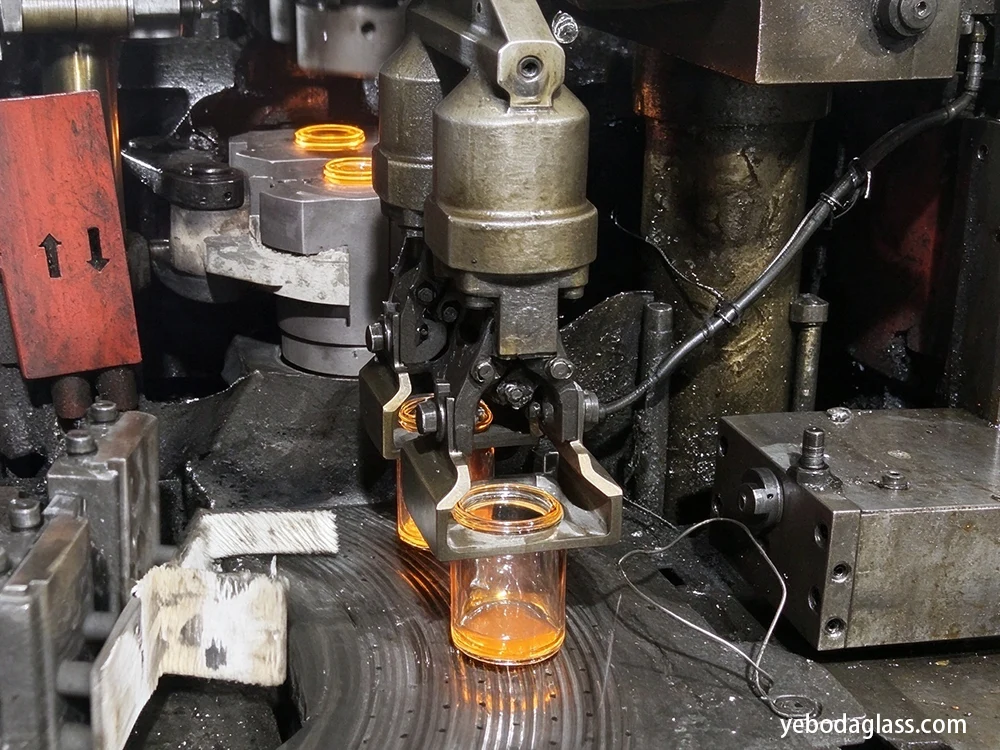
De fabrikant van glazen flessen voor hete sauzen kan doorgaans de glassamenstelling, het flesgewicht, de mallen, de vormparameters, het gloeiproces, de maattoleranties en het productieschema nauwkeurig controleren.
Een exporteur of groothandel heeft mogelijk meer ontwerpen en hoeveelheden op voorraad.
Er bestaat geen 'beste' model.
De vraag is:
Wie is verantwoordelijk voor het oplossen van een probleem wanneer het zich voordoet?
Vraag het aan uw leverancier:
Waar komt de fles vandaan?
Wordt de productie intern uitgevoerd of uitbesteed?
Van wie is de mal?
Vraag het aan uw leverancier:
- Waar komt de fles vandaan?
- Produceert het bedrijf zijn eigen producten of koopt het deze in?
- Van wie is de mal?
- Wat is de productiecapaciteit?
- Welke inspectienorm wordt gehanteerd?
- Kunnen productiemonsters worden herleid tot een specifieke batch?
- Kan dezelfde fles zes of twaalf maanden later opnieuw worden gemaakt?
Als de antwoorden vaag zijn, beschouw dat dan als een inkooprisico.
Controleer de vereisten voor contact met voedsel.
Hete saus is doorgaans zuur, en sommige varianten bevatten ook olie, zout, suiker of andere ingrediënten die van invloed zijn op de verpakkingseisen.
De FDA classificeert voedingsmiddelen op basis van zowel het type voedsel als de gebruiksomstandigheden. Het classificatiesysteem omvat specifiek zure, waterige producten, producten die vrije olie of vet bevatten, en producten die bij temperaturen boven 66 °C (150 °F) heet zijn afgevuld of gepasteuriseerd.
Externe link 1 — FDA-voedselsoorten en gebruiksvoorwaarden:
FDA-voedselsoorten en gebruiksvoorwaarden
Dit is belangrijk omdat "glas van voedselkwaliteit" geen volledige technische specificatie is.
In uw offerteaanvraag moet u de exporteur het volgende vermelden:
- Sausformule
- Geschatte pH-waarde
- Olie-/vetgehalte
- Vultemperatuur
- Pasteurisatieproces
- Opslagtemperatuur
- Verwachte houdbaarheid
- Sluitingstype
- Bestemmingsmarkt
De exporteur kan dan een geschikt fles- en sluitsysteem aanbevelen in plaats van simpelweg een standaardartikel uit de catalogus te verkopen.
Negeer de sluiting niet.
De fles wordt gefotografeerd.
De sluiting leidt tot veel klachten.
Zelfs een fles van perfect glas kan commercieel gezien mislukken als de dop niet goed afsluit.
Controleer voor elke fles hete saus van voedselkwaliteit het volgende:
| Specificatie | Wat de koper moet bevestigen |
| Flesinhoud | 100 ml, 150 ml, 200 ml, enz. |
| Halsafwerking | Exacte afwerking en afmetingen |
| Dopdiameter | Controleer de compatibiliteit |
| Voering | Materiaal- en afdichtingsprestaties |
| Koppel | Aanbevolen toepassingsbereik |
| Bewijsmateriaal manipuleren | Verplicht of optioneel |
| Afdichten | Inductie-, voering- of ander systeem |
| Decoratie | Etikettering, bedrukking, coating, enz. |
Accepteer "28 mm hals" niet als de volledige specificatie.
De afwerking van de hals moet qua afmetingen compatibel zijn met de gekozen sluiting.
Voor projecten met een hoog volume kunt u een technische tekening aanvragen.
De mogelijkheid tot vullen met hete vloeistoffen moet worden bevestigd.
Dit is waar inkoop en engineering met elkaar in gesprek moeten gaan.
Een fabrikant van hete sauzen kan flessen vullen bij 70°C, 80°C, 90°C of een andere temperatuur, afhankelijk van het productieproces. De fles moet worden beoordeeld op basis van de daadwerkelijke vul- en temperatuuromstandigheden.
De richtlijnen van de FDA maken onderscheid tussen toepassingen met hete vulling of gepasteuriseerde producten bij temperaturen boven en onder de 66 °C.
Vertel uw exporteur van hete sausflessen daarom het daadwerkelijke productieproces in plaats van alleen te vragen of de fles "hittebestendig" is.
Een nuttige offerteaanvraag zou er als volgt uit kunnen zien:
- Product: zure hete saus
- Vultemperatuur: 85°C
- Sluiting: schroefdop
- Toepassing: winkelschap
- Jaarlijks volume: 500.000 eenheden
Nu heeft de leverancier iets zinnigs om mee te werken aan de ontwikkeling.
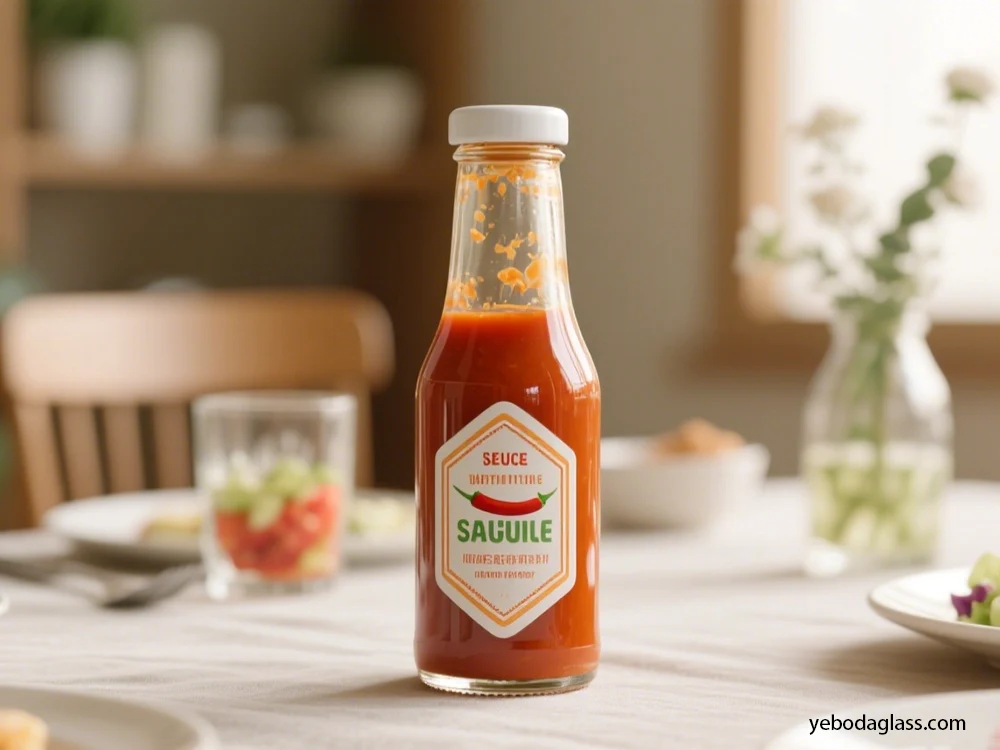
Vergelijk verschillende flessoorten voordat u een ontwerp op maat kiest.
Niet elk merk hete saus heeft een speciale mal nodig.
Voor veel nieuwe merken kan een bestaande fles een snellere route naar de markt bieden en de investering in gereedschap verminderen.
| Optie | Het beste voor | Belangrijkste voordeel | Belangrijkste beperking |
| Voorraadfles | Nieuwe merken | Lagere ontwikkelingskosten | Minder differentiatie |
| Standaard catalogusfles | Groeiende merken | Snellere inkoop | Beperkte aanpassingsmogelijkheden |
| Fles op maat | Gevestigde merken | Sterke merkidentiteit | Hogere gereedschapskosten |
| Premium fles op maat | Exclusieve sauzen | Opvallend uiterlijk | Hogere eenheidskosten |
| Lichtgewicht fles | Merken met een hoog volume | Lager materiaal- en vrachtverbruik | Vereist zorgvuldige engineering. |
Een goede groothandel in hete sausflessen moet kunnen uitleggen welke optie het beste bij uw volume en positionering past, in plaats van u automatisch naar de duurste oplossing te duwen.
Vraag naar de minimale bestelhoeveelheid (MOQ) op elk niveau.
De minimale bestelhoeveelheid (MOQ) wordt vaak verkeerd begrepen.
Een leverancier kan u het volgende vertellen:
Minimale bestelhoeveelheid: 5.000 flessen.
Goed.
Dan kom je erachter dat er voor de petten op maat 20.000 stuks nodig zijn en dat er voor de bedrukte decoratie ook een minimale afnamehoeveelheid geldt.
De werkelijke minimale bestelhoeveelheid (MOQ) ligt daarom veel hoger dan het aangegeven aantal.
Voor bulkbestellingen van flessen hete saus, vraag naar de afzonderlijke minimale afnamehoeveelheden voor:
- Glazen flessen
- Sluitingen
- Voeringen
- Afdrukken
- Coatings
- Labels
- Op maat gemaakte mallen
- Exportdozen
Vraag ook of de minimale bestelhoeveelheid (MOQ) geldt per ontwerp, kleur, capaciteit, sluiting of productierun.
Deze ene vraag kan duizenden dollars besparen tijdens de productontwikkeling.
Evalueer kwaliteitscontrole aan de hand van cijfers.
"Strikte kwaliteitscontrole" betekent vrijwel niets zonder een meetbaar inspectieproces.
Een serieuze leverancier van flessen hete saus moet kunnen uitleggen hoe de kwaliteit wordt gecontroleerd:
- Flesgewicht
- Hoogte en diameter
- Halsafmetingen
- Afwerkingsfouten
- Scheuren en barsten
- Glasinsluitingen
- Oppervlakkige krassen
- Verticaliteit
- Spannings-/gloeitoestand
- Lekkage
- Sluiting pasvorm
- Staat van de doos en pallet
Vraag om productrepresentatieve monsters.
Geen showroommodellen.
Er is een groot verschil.
Een perfect proefexemplaar bewijst dat een leverancier één goede fles kan produceren. Een gecontroleerde productiebatch laat zien of de leverancier 100.000 consistente flessen kan produceren.
Dat is het getal waar inkoopteams zich op zouden moeten richten.
Bereken de totale kosten inclusief transport in plaats van de eenheidsprijs.
Stel je twee citaten voor:
| Kostenfactor | Leverancier A | Leverancier B |
| Flesprijs | 0.24 | 0.27 |
| Exportverpakking | Hoger risico | Gestandaardiseerd |
| Risico op breuk | Hoger | Lager |
| Compatibiliteit van de sluiting | Niet bevestigd | Gevalideerd |
| Ondersteuning op maat | Beperkt | Vol |
| Technische documentatie | Basis | Gedetailleerd |
| Eerste offerte | Lager | Hoger |
Leverancier A lijkt goedkoper.
Maar die vergelijking is onvolledig.
Uw uiteindelijke aankoopberekening moet het volgende omvatten:
Fles + sluiting + decoratie + gereedschap + binnenlands transport + internationaal transport + invoerrechten + verzekering + handling + breuk + kwaliteitsverlies.
Dat zijn de uiteindelijke kosten inclusief transport.
De laagste fabrieksprijs geldt slechts voor één onderdeel.
Controleer de exportverpakking voordat u bestelt.
Glazen verpakkingen zijn niet erg vergevingsgezind.
Een sterke exporteur van op maat gemaakte flessen hete saus moet een duidelijke exportverpakkingsmethode hebben die dozen, tussenschotten, pallets, beschermfolie, stapelen en containerladen omvat.
Vraag naar:
- Flessen per doos
- Aantal dozen per pallet
- Palletafmetingen
- Bruto palletgewicht
- Container laadhoeveelheid
- Aanbevolen stapelmethode
- Bescherming tegen beweging tijdens transport
Bij een containerbestelling kan een efficiënter gebruik van pallets de logistieke kosten net zozeer beïnvloeden als een paar cent verschil in flesprijs.
En transportschade is niet alleen een logistiek probleem.
Het wordt een probleem voor de klantenservice.
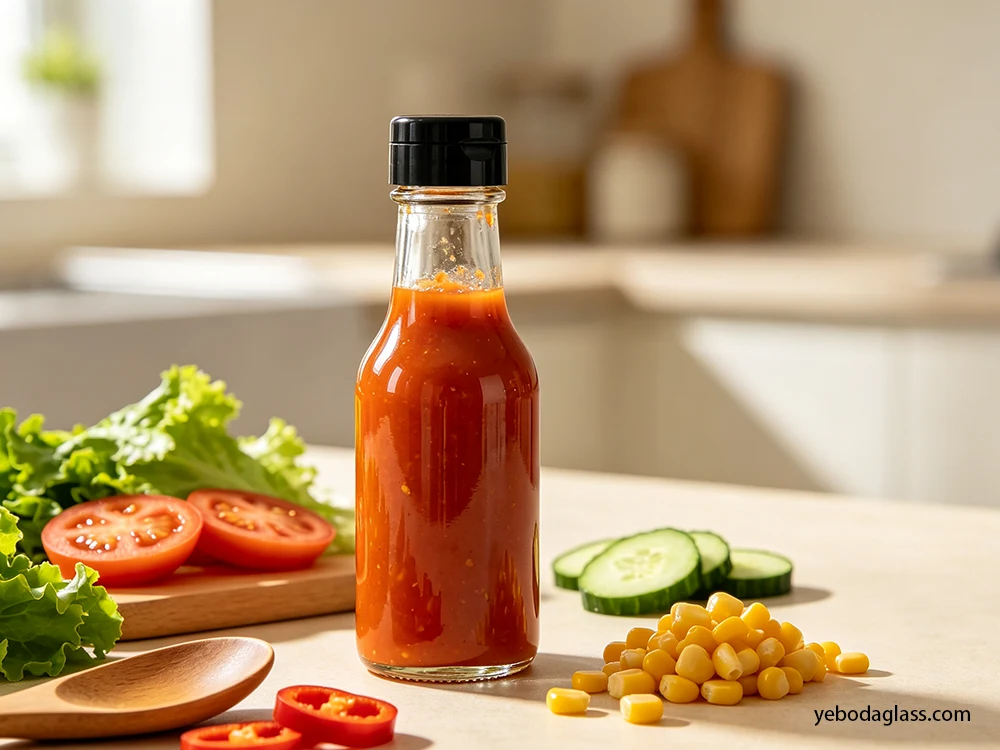
Het ontwikkelen van een fles op maat vereist een proces.
Als u een gepersonaliseerde fles hete saus nodig heeft, begin dan niet met "stuur ons uw beste prijs".
Begin met de technische aspecten.
Een betrouwbare exporteur van op maat gemaakte flessen hete saus moet normaal gesproken het volgende ondersteunen:
Concept → CAD-tekening → 3D-ontwikkeling → Matrijs → Proefproductie → Monsterinspectie → Validatie van vulling/sluiting → Massaproductie
Controleer voordat u voor de gereedschappen betaalt:
- Kosten van een mal
- Schimmelbezit
- Schimmelonderhoud
- Verwachte levensduur van de schimmel
- Aantal monsters
- Proefproductieplanning
- Tolerantie voor flesgewicht
- Maattolerantie
- Herhaalde bestellingsprocedure
De echte test is niet of de leverancier de eerste fles kan produceren.
De vraag is of de leverancier het product ook bij de tiende productierun consistent kan reproduceren.
Houd rekening met de regelgeving voor de bestemmingsmarkt.
Internationale kopers dienen de regelgeving te raadplegen alvorens de verpakking definitief vast te stellen.
Dit is met name belangrijk voor Europese klanten.
De EU-verordening inzake verpakkingen en verpakkingsafval, Verordening (EU) 2025/40, is over het algemeen van toepassing vanaf 12 augustus 2026 en stelt eisen vast met betrekking tot de productie, samenstelling, recyclebaarheid/herbruikbaarheid van verpakkingen en afvalbeheer.
Externe link 2 — EU PPWR-verordening 2025/40:
EU-verordening 2025/40 betreffende verpakkingen en verpakkingsafval
Voor een leverancier die Europese merken hete sauzen bedient, zouden gesprekken over de verpakking daarom meer moeten omvatten dan alleen het uiterlijk van de fles.
Materiaalefficiëntie, verpakkingsconfiguratie, recyclebaarheid, etikettering en documentatie kunnen in toenemende mate van invloed zijn op de leverancierskeuze.
Stel een scorekaart op voor leveranciers van hete sausflessen.
In plaats van te vragen welke exporteur er "het beste uitziet", beoordeel elke leverancier.
| Evaluatiefactor | Aanbevolen gewicht |
| Glaskwaliteit | 0.2 |
| Voedselcontactnormen | 0.15 |
| Dimensionale consistentie | 0.15 |
| Compatibiliteit van de sluiting | 0.1 |
| Kwaliteitscontrole | 0.1 |
| Aanpassingsmogelijkheden | 0.1 |
| Exportverpakking | 0.05 |
| MOQ-flexibiliteit | 0.05 |
| Levertijd | 0.05 |
| Landingskosten | 0.05 |
Deze aanpak maakt het vergelijken van leveranciers veel objectiever.
Het voorkomt ook een veelgemaakte aankoopfout: een lage offerte laten prevaleren boven zwakke technische prestaties.
De checklist voor leveranciers met 12 vragen
Voordat u de beste exporteur van hete sausflessen kiest, kunt u het volgende navragen:
- Welke flesinhouden produceert u?
- Welk glassoort wordt er gebruikt?
- Wat is de tolerantie voor het flesgewicht?
- Welke halsafwerkingen zijn beschikbaar?
- Welke sluitingen zijn compatibel?
- Kan de fles de vultemperatuur aan?
- Welke documenten met betrekking tot contact met voedsel kunt u overleggen?
- Wat is de minimale bestelhoeveelheid (MOQ) voor flessen uit voorraad?
- Wat is de minimale bestelhoeveelheid (MOQ) voor flessen op maat?
- Hoe wordt de productiekwaliteit gecontroleerd?
- Hoe worden flessen verpakt voor export?
- Wat gebeurt er als een zending defecte flessen bevat?
Een professionele leverancier zou deze vragen direct moeten beantwoorden.
Als het steeds maar over de prijs gaat, maar je geen antwoorden krijgt op je technische vragen, dan heb je niet te maken met een verpakkingspartner, maar met een verkoper.
Veelgestelde vragen
Hoe kies je de juiste leverancier van flessen hete saus?
Een stabiele aanvoer van flessen hete saus, nauwkeurige afmetingen, geschikte sluitingen, traceerbare kwaliteitscontrole, documentatie voor contact met levensmiddelen, een stabiele productiecapaciteit en betrouwbare exportverpakkingen zijn allemaal kenmerken van een betrouwbare leverancier van flessen hete saus. De leverancier moet ook kunnen uitleggen hoe hij omgaat met defecten, herhaalbestellingen, aangepaste mallen en productiewijzigingen.
Kunnen glazen flessen gebruikt worden voor hete saus?
Ja. Het gebruik van glas voor de verpakking van hete sauzen is gebruikelijk, maar het type fles en sluiting moet worden bepaald op basis van de samenstelling van de hete saus en het afvulproces. Zure producten en toepassingen waarbij hete vullingen nodig zijn, moeten worden beoordeeld op basis van de specifieke toepassing, de temperatuur, de opslagomstandigheden, het sluitsysteem en de transportvereisten, en niet als een "generieke" toepassing.
Wat kost een fles hete saus?
De prijs is niet vast en varieert afhankelijk van de inhoud, het gewicht van de fles, het ontwerp, de bestelhoeveelheid, de matrijsvereisten, de sluiting, de decoratie, de verpakking en de verzendbestemming. Bij een kleine oplage van een op maat gemaakte flessenmatrijs kunnen de totale kosten aanzienlijk verschillen van die van een standaardfles voor een grote bestelling.
Kies je voor een fabrikant of een groothandel?
Als u grote hoeveelheden, op maat gemaakte mallen, technische controle of herhaalde productie over een lange periode nodig heeft, kunt u het beste een fabrikant kiezen. Een groothandel kan interessant zijn als u meerdere standaardontwerpen, kleinere bestellingen of bulkinkopen nodig heeft. Het probleem is echter de transparantie en consistentie van de productie die de leverancier u kan bieden.
Welke informatie moet ik in een offerteaanvraag vermelden?
Geef de volgende informatie door: flesinhoud, afmetingen, gewenste vorm, glaskleur, type sluiting, vultemperatuur, eigenschappen van de saus, jaarlijkse hoeveelheid, decoratie-eisen, land van bestemming, verpakkingseisen en streeflevertijd. Hoe beter de offerteaanvraag, hoe nuttiger de offerte van de leverancier zal zijn.
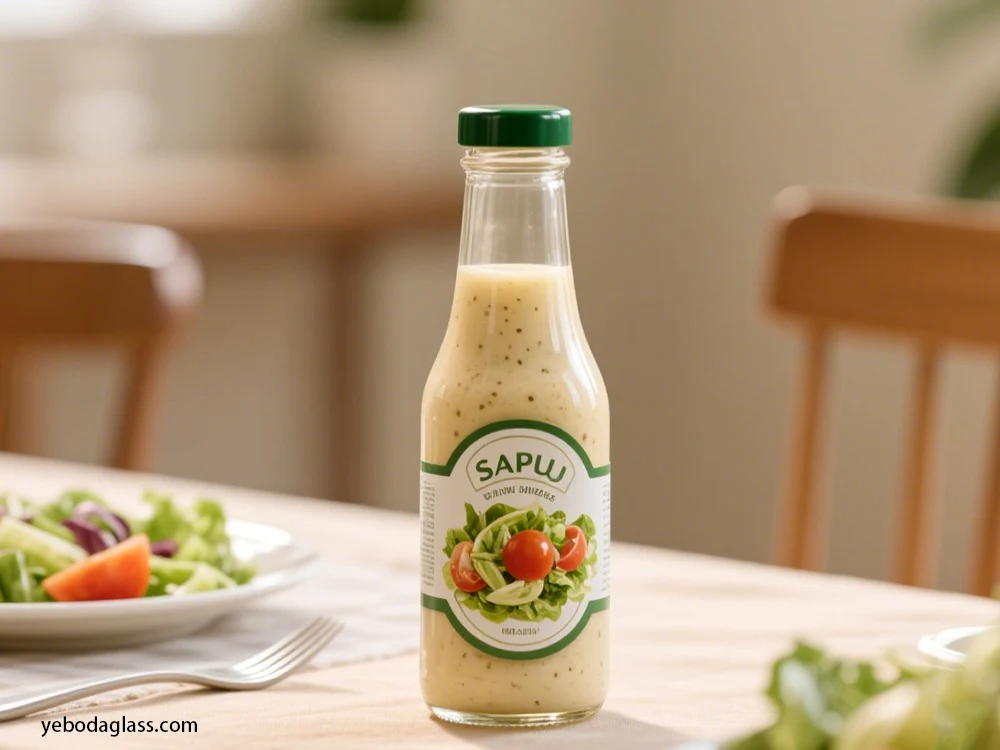
Selecteer uw benodigdheden voor hete sausflessen als een professionele inkoper.
Laat je nooit in eerste instantie door de prijs leiden.
Begin met de specificaties.
Test dan de fles!
Test vervolgens de afsluiting.
Voer vervolgens een test uit van de logistieke aspecten.
Een beproefde exporteur van flessen hete saus zou u moeten kunnen voorzien van productrepresentatieve monsters, technische specificaties, informatie over contact met levensmiddelen, soorten sluitingen, kwaliteitscontrolegegevens, details over de exportverpakking en een duidelijke offerte voor uw daadwerkelijke orderhoeveelheid.
Wanneer u voorraadflessen bestelt, vraag dan een monster aan en controleer of de flessen compatibel zijn met uw afvullijn.
Voor op maat gemaakte flessen ontvangt u voorafgaand aan de goedkeuring van de matrijs een CAD-tekening, een offerte voor de matrijs, informatie over het eigendom van de matrijs, maattoleranties, een monsterplanning en een massaproductieplan.
Wanneer je begint met het vergelijken van leveranciers, is het belangrijk om de juiste vragen te stellen:
Als de fles eenmaal in ons magazijn is aangekomen en onze kwaliteitscontroles heeft doorlopen, wat kost deze fles ons dan?
Het is die prijs die je moet vergelijken.
Wilt u grote hoeveelheden flessen hete saus bestellen?
Neem de volgende beslissingen met betrekking tot inhoud, flesvorm, glaskleur, halsafwerking, sluiting, vultemperatuur, jaarlijks volume, decoratie, bestemmingsmarkt en verpakkingsconfiguratie.
Een professionele exporteur kan u vervolgens geschikte standaardflessen of flessen op maat aanbevelen, monsters toesturen, de minimale bestelhoeveelheid aangeven en een productieplan opstellen op basis van uw bestelvolume.
Wanneer merken, importeurs, distributeurs en voedselproducenten flessen inkopen in de groothandel, kan de juiste leverancier hen niet alleen geld besparen op verpakkingen, maar ook behoeden voor gebroken flessen, problemen met de vullijn, afgekeurde zendingen en toekomstige bestellingen!
Geef de details en het volume van uw fles door aan uw leverancier en vraag om een uitgebreide offerte voor uw fles, sluiting, aanpassingen aan uw bestelling, verpakking, minimale bestelhoeveelheid, levertijd en verzending.
 NL
NL  EN
EN  FR
FR  DE
DE  IT
IT  ES
ES  CS
CS  PT
PT  PL
PL  TR
TR  AR
AR  KO
KO  JA
JA  ZH
ZH  RU
RU  HU
HU