
Inleiding
Alles veranderde.
Ik heb jarenlang glasverpakkingsfabrieken bezocht en één patroon herhaalt zich steeds weer. Kopers onderhandelen nog steeds bijna uitsluitend over de prijs, terwijl fabrikanten in stilte flessen herontwerpen met het oog op logistieke kosten, recyclingvoorschriften, lichtgewicht constructie en compatibiliteit met geautomatiseerde vulsystemen. Tegen de tijd dat importeurs dit merken, lopen ze al achter op concurrenten die zes maanden eerder betere verpakkingen hadden weten te bemachtigen.
Dat is dus de vraag.
Waarom zou een consument of winkelier geloven dat het hun melkfles is als die er precies hetzelfde uitziet als die van iedereen?
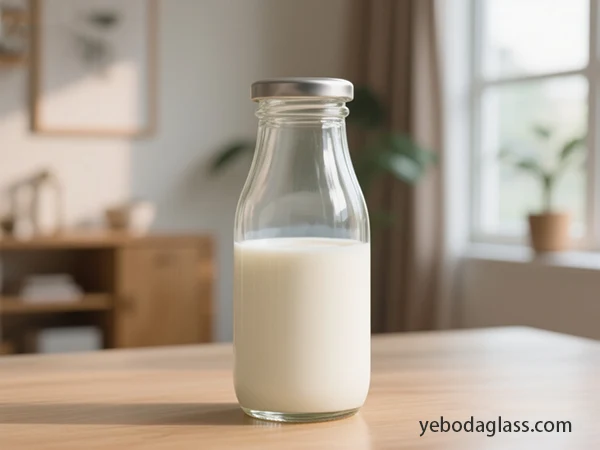
De realiteit is dat Melkflessen met deksels groothandel Het zijn niet langer alleen melkflessen. Het zijn nu marketinginstrumenten, transportmiddelen, duurzaamheidsclaims en onderdelen voor productie-efficiëntie in één.
De Verordening van de Europese Raad inzake verpakkingen en verpakkingsafval (PPWR) heeft tot doel de recyclebaarheid, afvalverwerking en hergebruik van verpakkingen in de EU tegen 2030 te verbeteren. De verordening heeft nu al invloed op de aankoopbeslissingen in de gehele internationale verpakkingsketen.
De afgelopen jaren is het gebruik van verpakkingsmaterialen een belangrijk onderwerp van wetenschappelijk onderzoek geweest. Een recente studie, gepubliceerd in 2025, vergeleek de bewaarkwaliteit van melk in drie verschillende soorten verpakkingsmaterialen: meerlaags karton, PET-flessen en glazen flessen.
Waarom 2026 anders zal zijn
Veel kopers gaan ervan uit dat verpakkingen slechts geleidelijk veranderen.
Nee, dat is niet het geval.
Energieprijzen, transportkosten, duurzaamheidswetgeving, consumentenverwachtingen en geautomatiseerde vultechnologie veranderen gelijktijdig.
We zien verschillende verschuivingen in het koopgedrag:
- Een grotere vraag naar herbruikbare glazen flessen.
- Lichtgewicht flessenconstructie
- Hoogwaardige reliëfbedrukking
- Verzegelingen met fraudebestendige sluitingen
- Flesvormen op maat
- Digitale traceerbaarheid
- Kleinere productiebatches
- Snellere schimmelontwikkeling
Professionele inkopers vragen leveranciers nu niet alleen naar de prijs, maar ook naar:
- Hoeveel gewicht is er verwijderd?
- Is de fles geschikt voor snelvullen?
- Wat is de tolerantie voor thermische schokken?
- Kan gerecycled glas worden verwerkt?
- Hoeveel hergebruikcycli kan het doorstaan?
Die vragen bepalen de winstgevendheid.
Trend 1: Lichtgewicht glas wordt de nieuwe standaard.
Vijf jaar geleden duidde zwaarder glas op een hogere kwaliteit.
Die aanname kost tegenwoordig geld.
Moderne glastechnologie richt zich op het behoud van sterkte en tegelijkertijd het verminderen van het totale flesgewicht door middel van geoptimaliseerde wanddikte en verbeterde precisie van de mal.
De voordelen zijn onder andere:
| Traditionele flessen | Lichtgewicht flessen |
| Hogere vrachtkosten | Lagere verzendkosten |
| Meer grondstoffen | Minder glasverbruik |
| Hogere CO₂-uitstoot | Lagere CO2-voetafdruk |
| Hoger palletgewicht | Betere logistieke efficiëntie |
Zelfs een vermindering van 25 gram per fles kan aanzienlijke transportkosten besparen bij containerzendingen.
Trend 2: Premium glas wint het van standaardverpakkingen.
Consumenten letten op details.
Inkopers in de detailhandel letten op de marges.
Premium zuivelmerken vragen steeds vaker om:
- Matglas
- Logo's in reliëf
- Zeefdrukdecoratie
- UV-printen
- Silhouetten van flessen op maat
- Vintage melkflesontwerpen
Verpakkingen op maat zorgen voor onderscheidend vermogen in het schap, zonder dat het product zelf verandert.
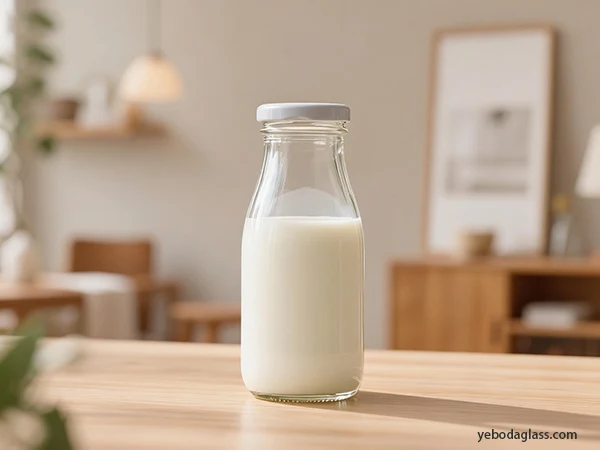
Dat is een van de redenen waarom gepersonaliseerde melkflessen met deksels steeds populairder worden bij kleine zuivelbedrijven en premium drankmerken.
Trend 3: Voedselveiligheidsdocumentatie is belangrijker dan ooit.
Veel importeurs geloven nog steeds dat een certificaat gelijk staat aan kwaliteit.
Nee, dat is niet het geval.
Professionele inkopers vragen steeds vaker om:
- FDA-verklaringen betreffende contact met levensmiddelen
- Naleving van EU-verordening EG 1935/2004
- Rapporten over de migratie van zware metalen
- Laboratoriumtests van SGS of Intertek
- Batchtraceerbaarheid
- Identificatie van de productielot
Het voldoen aan de voorschriften voor contact met levensmiddelen wordt steeds meer een aankoopvereiste in plaats van een optioneel document.
Duurzame verpakkingen beïnvloeden aankoopbeslissingen.
Milieuregelgeving beïnvloedt inkoopprocessen lang voordat consumenten het merken.
De Europese verpakkingswetgeving blijft het gebruik van recyclebare verpakkingen, betere etikettering en initiatieven voor de circulaire economie stimuleren, wat directe gevolgen heeft voor leveranciers van glazen verpakkingen.
Voor fabrikanten betekent dit investeren in:
- Hoger gehalte aan gerecycled glas
- Lichtgewicht productie
- Verbeterde ovenefficiëntie
- Herbruikbare flessensystemen
- Minder verpakkingsafval
Trend 5: De technologie van deksels verbetert
De fles trekt de aandacht.
Het deksel beschermt het product.
De groothandelsklanten van vandaag kiezen steeds vaker voor:
| Dekseltype | Beste toepassing |
| Schroefdop | Verse melk |
| Lugkap | Gepasteuriseerde zuivel |
| Aluminium dop | Premium dranken |
| Kunststof deksel met verzegeling | Detailhandelsdistributie |
| Siliconen afdichtingsdeksel | Navulbare glazen flessen |
Lekpreventie is net zo belangrijk geworden als het uiterlijk van de fles.
Trend 6: Automatiseringscompatibiliteit is een concurrentievoordeel
Trend 6: Automatiseringscompatibiliteit is een concurrentievoordeel
Fabrieken die 20.000 flessen per uur vullen, kunnen zich geen inconsistenties in de afwerking van de flessenhals veroorloven.
Professionele leveranciers van glazen melkflessen richten zich nu op:
- Nauwkeurige nekafmetingen
- Compatibiliteit met geautomatiseerde afdekking
- Stabiele tolerantie voor fleshoogte
- Constante wanddikte
- Vlotte transportprestaties
Deze eigenschappen verminderen de stilstandtijd tijdens vulwerkzaamheden.
Trend 7: Lagere minimale bestelhoeveelheden trekken nieuwe klanten aan.
Tien jaar geleden hadden veel fabrieken enorme productieaantallen nodig.
Tegenwoordig lanceren niche-zuivelmerken vaak met kleinere hoeveelheden voordat ze opschalen.
Flexibele fabrikanten bieden steeds vaker het volgende aan:
- Voorraadprogramma's voor flessen
- Decoratie met lage minimale bestelhoeveelheid
- Digitaal printen
- Snelle schimmelontwikkeling
- Gemengde containerlading
Deze flexibiliteit verkleint het voorraadrisico.
Trend 8: Slimme verpakkingen doen hun intrede in de zuivelindustrie.
Verpakkingen worden niet van de ene op de andere dag elektronisch.
Maar digitale identificatie is in opmars.
Voorbeelden zijn:
- QR-traceerbaarheid
- Batchverificatie
- Informatie over de herkomst van de boerderij
- Consumentenbetrokkenheid
- Productauthenticatie
Slimme verpakkingen vergroten de transparantie in de gehele toeleveringsketen.
Hoe kies je de juiste groothandel in melkflessen met deksel?
Prijs is belangrijk.
Consistentie is belangrijker.
Dit zijn de zaken die ik altijd aanraad om te bekijken bij het beoordelen van leveranciers:
| Evaluatiefactor | Waarom het belangrijk is |
| Fabriekservaring | Stabiele productiekwaliteit |
| Certificeringen voor voedselveiligheid | Naleving van wet- en regelgeving |
| Vormgeving | Snellere aanpassing |
| QC-systeem | Lagere defectpercentages |
| Exportervaring | Betrouwbare documentatie |
| Verpakkingsontwerp | Betere uitstraling in de schappen |
| Levertijd | Voorraadplanning |
| Mededeling | Snellere projectuitvoering |
Het laagste bod betekent de hoogste kosten.
Veelgestelde vragen
Wat zijn de groothandelsprijzen voor melkflessen met deksels?
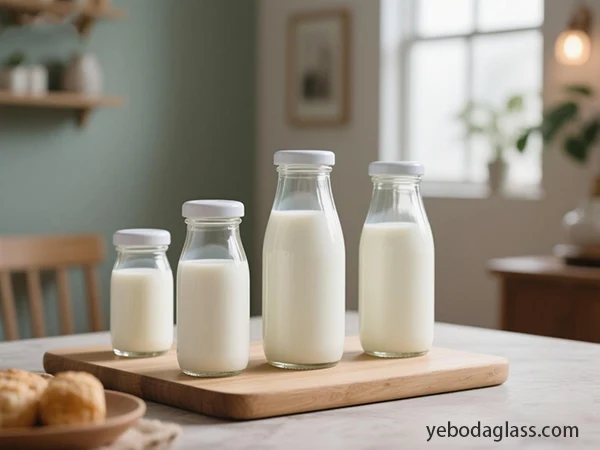
Melkflessen met deksels, die in bulk worden verkocht, zijn verpakkingen die worden gebruikt voor de commerciële verpakking van melk. Ze worden geleverd aan melkbedrijven, distributeurs, detailhandelaren en drankenproducenten. De flessen worden doorgaans geleverd met glazen flessen met bijpassende doppen, mogelijkheden tot personalisatie, wettelijke documenten en volumekortingen die geschikt zijn voor industriële inkoop.
Waardoor is de populariteit van glazen melkflessen in de groothandel toegenomen?
Glazen melkflessen voor de groothandel winnen aan populariteit vanwege hun hoogwaardige uitstraling, recyclebaarheid, chemische bestendigheid en superieure productpresentatie. Herbruikbare verpakkingssystemen en de voorkeur van consumenten voor milieuvriendelijke verpakkingsmaterialen zijn ook belangrijk voor veel zuivelbedrijven.
Waar moet je op letten bij het kopen van een leverancier van glazen melkflessen?
Bij het selecteren van een leverancier van glazen melkflessenBij de beoordeling van grote bestellingen moet rekening worden gehouden met de productiecapaciteit, certificering voor contact met levensmiddelen, het kwaliteitscontrolesysteem, de mogelijkheden tot maatwerk, de exportervaring en de consistentie van de productie. Grote bestellingen dienen te worden gebaseerd op steekproefinspectie, laboratoriumrapporten en eerdere exportreferenties.
Gaan lichte glazen flessen lang mee?
De lichtste flessen ter wereld zijn nog steeds sterk omdat fabrikanten de geometrie van de fles en de glasverdeling optimaliseren, in plaats van alleen de hoeveelheid glas te verminderen. Met behulp van de juiste technieken kan het gewicht worden verlaagd, terwijl de mechanische prestaties behouden blijven tijdens het vullen, transporteren en de verkoop.
Welke verpakkingstrends zullen in 2026 van invloed zijn op de verpakking van melk?
Voor 2026 liggen de belangrijkste verpakkingstrends voor melk in het begin bij lichtere materialen, zoals lichtgewicht glas – of andere opties met een vergelijkbare uitstraling. Tegelijkertijd komt er meer nadruk te liggen op hoogwaardige personalisatie, wat betekent dat merken etiketten en afwerkingen willen die er van dichtbij scherp uitzien, niet zomaar 'goed genoeg'. Herbruikbare melkflessen lijken ook aan populariteit te winnen, omdat consumenten minder afval willen en zuivelbedrijven slimmere kringlopen belangrijk vinden.
Dan is er nog de saaie maar cruciale kant: de naleving van de voedselcontactnormen. Dit is in feite het reglement voor veiligheid en geschiktheid, dus ja, het heeft meer invloed op het flesontwerp dan men wil toegeven. Digitale traceerbaarheid is een andere richting, zoals het kunnen volgen van batches met QR-codes of vergelijkbare systemen, zodat merken sneller kunnen reageren als er iets misgaat. Ten slotte wordt compatibiliteit met geautomatiseerde productieprocessen steeds gebruikelijker, omdat verpakkingslijnen steeds geavanceerder worden. Dit betekent dat de fles moet passen in snellere en nauwkeurigere workflows.
Al met al kunnen deze veranderingen melkmerken helpen om logistieke kosten te verlagen, de duurzaamheid te verbeteren en de aantrekkelijkheid van hun producten in de schappen te vergroten. Ook al lijkt het op papier misschien onbeduidend, in de praktijk is het verschil in de winkels vaak wel degelijk merkbaar.
Slotgedachten
Ik heb mensen wekenlang zien onderhandelen over een paar cent op een fles, over één enkel product, zonder rekening te houden met alle andere factoren die van invloed zijn op de verpakking, zoals transportkosten, vulrendement, productuitstraling, merkperceptie op de lange termijn, enzovoort.
Dat is omgekeerd.
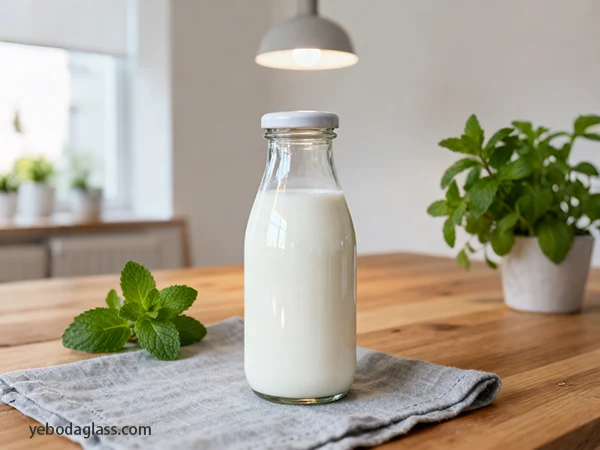
De beste inkoopstrategie voor 2026 is niet simpelweg de laagste offerte vinden. Het is samenwerken met een leverancier van glazen melkflessen die consistente kwaliteit kan garanderen, met gebruikmaking van voedselveilige materialen, gepersonaliseerde decoratie en schaalbare productie.
De fles is niet het enige dat tegenwoordig op de zuivelmarkt te vinden is!
Dit is een onderdeel van het product.

 NL
NL  EN
EN  FR
FR  DE
DE  IT
IT  ES
ES  CS
CS  PT
PT  PL
PL  TR
TR  AR
AR  KO
KO  JA
JA  ZH
ZH  RU
RU  HU
HU