
Introduction
Have you ever been crushed by way of the sheer sort of Mason jars, wondering the way to select the right length for storing jam, getting ready lunch, or developing a unique gift? Don’t fear! This apparently easy glass container holds countless possibilities, perfectly mixing kitchen essentials, aesthetics, and sustainability. This guide will delve into the fascinating global of Mason jars, supporting you master the mysteries of numerous mason jar sizes and choose the right one.
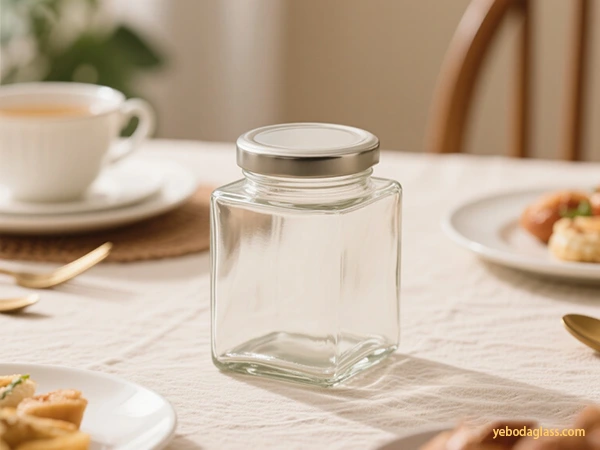
The Versatile Appeal of Mason Jars: More Than Just Storage
Originating in the mid-19th century, the Mason jar stays a loved lifestyle symbol nowadays for its brilliant sealing, sturdiness, and versatility. Whether storing in a single day oats or homemade strawberry jam, or serving as a vase, candle holder, or gift wrapping, Mason jars are perfect for every occasion.
Unveiling the Mason Jar's "Body Language"
Before discussing specific mason jar sizes, permit’s first apprehend the fundamental structure of a Mason jar.
Mouth Diameter: Regular Mouth vs. Wide Mouth
The mouth diameter directly affects filling, eliminating contents, and accent compatibility.
Regular Mouth: Approximately 2.75 inches (7 cm) in diameter, with a slim body and slim mouth.
- Advantages: Excellent seal, suitable for storing beverages, jams, and other fluid foods, smooth to manipulate while pouring, and minimizes spills. More dependable for long-term canning.
- Disadvantages: Difficult to clean the interior and hard to fill and get rid of cumbersome ingredients.
Wide Mouth: Approximately three.38 inches (8.6 cm) in diameter, with a extensive mouth and commonly a sturdier frame.
- Advantages: Convenient for managing big meals, salads, overnight oats, and many others., and smooth to smooth. Suitable as ingesting cups and salad jars.
- Disadvantages: Pouring beverages might not be as unique as with a regular-mouth jar.
The desire of mouth diameter depends at the meant use: pick out a everyday mouth for jams and sauces; choose a huge mouth for dried items, salads, and overnight oats.
Size Considerations: Height and Diameter
In addition to capacity and opening, top and diameter decide whether or not a jar will fit in a cupboard, fridge door, or coordinate with add-ons. Measure your area before shopping.
Mason Jar Sizes Guide: Tailor Your Life
Choosing the proper mason jar size is key to maximizing its capability!
Mini Choice: 4 oz (about a hundred and twenty ml)
- Dimensions: Approximately 2.Five inches (about 6.35 cm) high and a pair of.5 inches (about 6.35 cm) in diameter. Most have a ordinary taking off.
- Ideal Applications: Small portions of jam, spice garage, little one food portioning, baking materials, mini candles, or affords.
- Pros and Cons: Compact and easy to hold and distribute, suitable for unmarried use or small quantities; restrained capability.
Compact and Elegant: eight oz.. (240 ml)
- Dimensions: Approximately three.Seventy five inches (9.Five cm) immoderate, approximately 2.Seventy 5 inches (7 cm) in diameter. Available in ordinary and big mouths.
- Ideal Applications: Small servings of jam, single-serving yogurt/pudding, small snacks, home made condiments, small candles.
- Pros and Cons: More realistic than the four oz. And suitable for unmarried servings; though a piece small.
In Between: 12 oz (355 ml)
- Dimensions: Approximately four.Five inches (11.Four cm) excessive, about 2.Seventy five inches (7 cm) in diameter. Mostly regular mouths.
- Ideal Applications: Everyday eating cups, iced espresso, in a single day oats, unmarried-serving soups/sauces, small pickling objects.
- Pros and Cons: Moderate capability, massive than the 8 oz.. Relatively compact; accent alternatives may be slightly constrained.
Classic All-Purpose: 16 ounces (Pint, 480 ml)
- Dimensions: Regular mouth approximately 5 inches (12.7 cm) tall, 2.Seventy five inches (7 cm) in diameter; big mouth about 4.Seventy five inches (12 cm) tall, three.38 inches (8.6 cm) in diameter. Available in normal and huge mouths.
- Ideal Applications: The most famous canning duration, regular ingesting glasses, layered salad jars, in a unmarried day oats, dry gadgets storage, lunch bins.
- Pros and Cons: Extremely flexible, the “Swiss Army Knife” of Mason jars; big-scale garage calls for greater jars.
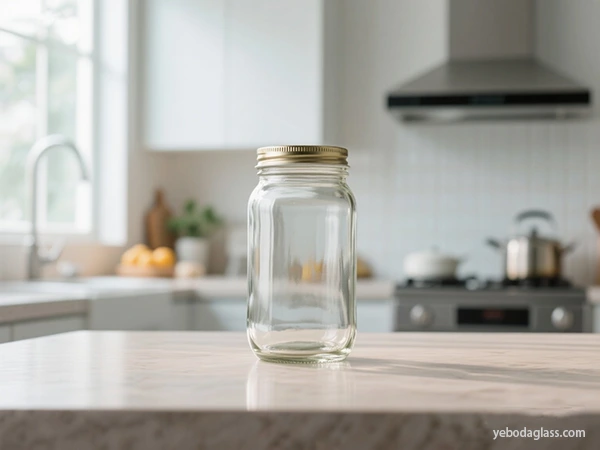
Extra Space: 24 oz. (Half Pint, 710 ml)
- Dimensions: Approximately 6.75 inches (17 cm) tall, 3.38 inches (eight.6 cm) in diameter. Mostly extensive mouth.
- Ideal Applications: Large salads/lunch dishes, large smoothies/juices, storing short noodles, and small fermented ingredients.
- Pros/Cons: A perfect transition size among pints and quarts, with adequate ability with out being cumbersome; much less commonplace than pints and quarts.
Home Workhorse: 32 oz (quart, approximately 960 ml)
- Dimensions: Regular mouth: approximately 6.Nine inches (17.5 cm) excessive, approximately 3.Five inches (8.9 cm) in diameter; wide mouth: approximately 6.Five inches (sixteen.Five cm) high, about three.38 inches (8.6 cm) in diameter.
- Ideal Applications: Large canning, storing bulk dry items like grains and flour, making home made shares/juices, fermenting foods, and organizing kitchen gear.
- Pros/Cons: Large capacity, a domestic storage workhorse; can be too massive for smaller portions.
Large Capacity:64 oz. (half of of gallon, approximately 1.Nine liters)
- Dimensions: Approximately 9 inches (22.8 cm) excessive, approximately 4 inches (10.2 cm) in diameter. Mostly huge-mouthed.
- Ideal Applications: Bulk storage of grain, flour, pet food, massive batches of kombucha, domestic made liquids, kitchen storage.
- Pros and Cons: Huge ability, suitable for bulk storage; cumbersome, now not appropriate for frequent shifting.
128 oz. (gallon, approximately 3.Eight liters)
- Dimensions: Approximately 10 inches (25.Four cm) excessive, about 6 inches (15.2 cm) in diameter. Mostly massive-mouthed.
- Ideal Applications: Extra-big bulk storage of grain and flour, big fermentation, kitchen compost boxes, massive decorative objects.
- Pros and Cons: Maximum capacity, appropriate for excessive bulk desires; quite heavy, not appropriate for common day by day use.
When selecting a Mason jar, the exceptional of the glass is important. YEBODA’s glass jars stand out for his or her great warmth and effect resistance, making them a reliable, premium preference.
Which Mason Jar to Buy: Decision Framework
The selection model below will guide you in choosing the best mason jar to meet your demands:
Step 1: Find Out Your Most Important Use
- Canning (Long-Term Storage): Consider the food kind (excessive/low acid) and detail duration. Recommended: Two-piece lids, 8 oz., sixteen oz., and 32 ounces. Wide mouths make filling less complicated.
- Everyday Food Storage (Refrigerator/Cupboard): Consider the food kind (dry items, drinks, leftovers) and storage duration.
Recommended: One- or -piece lids, 16 oz…, 32 oz., and sixty four oz… Wide mouths offer less difficult get admission to. - Meal Prep/Breakfast: Consider the kind of food (in a single day oats, salad) and element size. Recommended: sixteen-ounce and 24-ounce large-mouth jars.
- Beverage Containers: Consider the form of drink and ability.
Recommended: 12-ounce, 16-ounce, and 24-ounce jars, with lids to be had. - Crafts/Gifts/Decorations: Consider the supposed use and aesthetic.
Recommended: four-ounce, eight-ounce, and sixteen-ounce jars. Straight-sided jars are suitable for candles.
Step 2: Choose the Mouth Diameter (Regular vs. Wide)
The milieu of the jar opening to a great extent influences your filling, emptying and clean-up of the jar.
- Regular Mouth (2 1/4 inches): the tapered neck is just big enough to pour liquids, store small grains or hold an item that requires to be kept below the brine line (such as pickles).
- Wide Mouth (3 inches): This has straight sides which can be easily washed by hand and fill bulky foods such as whole fruits, meat or layered salads easily. It is the one that is preferred in the freezer storage and meal preparation.
Step 3: Select Jar Shape and Silhouette
The visual appeal and storage efficiency of the jar is influenced by the physical profile.
- Shouldered Jars: These are having a traditional curving on the head. They are ideal when it comes to liquids and preserves and should not be used in freezing because the swelling contents may strain the shoulder and break it.
- Straight-Sided Jars: They do not have a neck. They are the safest option to the freezer (when they are left with the correct amount of headspace) and they are easy to extract the frozen content such as frozen soups or shaped candles.
- Decorative/Quilted Jars: It has a textured glass design. Although they are beautiful when giving gifts and jams, they may be a little more difficult to name easily.
Step 4: Budget and Brand Choice
Take into account your budget and the long-term cost of the quality of the glass. The excellence of the glass bottles and high durability of the YEBODA bottles, along with the safety, makes them a reliable and quality choice in the market as they provide consistency in performance regarding preservation and daily styling.
Conclusion
Using the above framework, you’ll be able to honestly identify the Mason jar that high-quality fits your needs. Mason jars, with their easy but effective capability, constitute the philosophy of self-sufficiency and sustainable living. We desire this guide enables you discover your “ideal suit” and add colour and convenience in your lifestyles!
 EN
EN  FR
FR  DE
DE  IT
IT  ES
ES  CS
CS  PT
PT  NL
NL  PL
PL  TR
TR  AR
AR  KO
KO  JA
JA  ZH
ZH  RU
RU  HU
HU