
Introduzione
Tutto è cambiato.
Ho trascorso anni a visitare fabbriche di imballaggi in vetro e ho notato uno schema ricorrente. Gli acquirenti continuano a negoziare quasi esclusivamente sul prezzo, mentre i produttori riprogettano silenziosamente le bottiglie in base ai costi logistici, alle normative sul riciclaggio, alla leggerezza e alla compatibilità con i sistemi di riempimento automatizzati. Quando gli importatori se ne accorgono, sono già rimasti indietro rispetto ai concorrenti che si sono assicurati imballaggi migliori sei mesi prima.
Ecco quindi la domanda.
Perché un consumatore o un rivenditore dovrebbe credere che la bottiglia del latte sia la propria se è identica a quella di tutti gli altri?
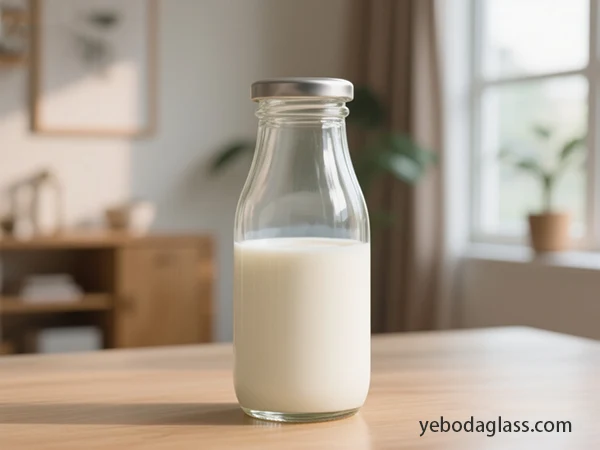
La realtà è che bottiglie di latte con coperchio all'ingrosso Non sono più solo bottiglie di latte. Ora sono strumenti di marketing, mezzi di trasporto, simboli di sostenibilità e componenti per l'efficienza produttiva, tutto in uno.
Il regolamento del Consiglio europeo sugli imballaggi e i rifiuti di imballaggio (PPWR) mira a rendere gli imballaggi nell'UE più riciclabili, a ridurre i rifiuti e a favorirne il riutilizzo entro il 2030. Il regolamento sta già influenzando le scelte di acquisto lungo le catene di approvvigionamento internazionali degli imballaggi.
Negli ultimi anni, l'uso dei materiali di imballaggio è stato al centro della ricerca scientifica, con un recente studio pubblicato nel 2025 che confronta la qualità di conservazione del latte in tre diversi tipi di materiali di imballaggio: cartone multistrato, bottiglie in PET e bottiglie di vetro.
Perché il 2026 sarà diverso
Molti acquirenti presumono che le modifiche al packaging siano lente.
No.
I prezzi dell'energia, i costi di trasporto, la legislazione in materia di sostenibilità, le aspettative dei consumatori e la tecnologia di riempimento automatizzato stanno cambiando simultaneamente.
Stiamo assistendo a diversi cambiamenti nelle abitudini di acquisto:
- Maggiore domanda di bottiglie di vetro riutilizzabili
- Ingegneria delle bottiglie leggere
- Marchio di alta qualità in rilievo
- chiusure antimanomissione
- Forme di bottiglia personalizzate
- Tracciabilità digitale
- Lotti di produzione più piccoli
- Sviluppo più rapido degli stampi
Invece di chiedere ai fornitori solo informazioni sul prezzo, gli acquirenti professionisti ora chiedono:
- Quanto peso è stato rimosso?
- La bottiglia è compatibile con il riempimento ad alta velocità?
- Qual è la tolleranza allo shock termico?
- È possibile incorporare vetro riciclato?
- Quanti cicli di riutilizzo può sopportare?
Queste domande determinano la redditività.
Tendenza 1: Il vetro leggero sta diventando il nuovo standard
Cinque anni fa, un vetro più pesante era sinonimo di maggiore qualità.
Oggi, questa supposizione ha un costo.
La moderna ingegneria del vetro si concentra sul mantenimento della resistenza riducendo al contempo il peso complessivo della bottiglia attraverso l'ottimizzazione dello spessore delle pareti e il miglioramento della precisione degli stampi.
I vantaggi includono:
| Bottiglie tradizionali | Bottiglie leggere |
| Costi di trasporto più elevati | Costi di spedizione inferiori |
| Più materia prima | Minore consumo di vetro |
| Emissioni di CO₂ più elevate | Minore impronta di carbonio |
| Peso maggiore del pallet | Migliore efficienza logistica |
Ridurre anche solo di 25 grammi il peso di ogni bottiglia può far risparmiare notevolmente sulle spese di trasporto per le spedizioni in container.
Tendenza 2: Il vetro di alta qualità batte gli imballaggi generici
I consumatori notano i dettagli.
Gli acquirenti al dettaglio notano i margini di profitto.
I marchi di prodotti lattiero-caseari di alta qualità richiedono sempre più spesso:
- Vetro satinato
- Loghi in rilievo
- Decorazione serigrafica
- stampa UV
- Sagome di bottiglie personalizzate
- Biberon dal design vintage
Il packaging personalizzato crea differenziazione sugli scaffali senza modificare il prodotto al suo interno.
Questo è uno dei motivi per cui le bottiglie di latte personalizzate con tappo continuano a diffondersi tra i caseifici artigianali e i marchi di bevande di alta gamma.
Tendenza 3: La documentazione sulla sicurezza alimentare è più importante che mai.
Molti importatori credono ancora che un certificato sia sinonimo di qualità.
No.
Gli acquirenti professionali richiedono sempre più spesso:
- Dichiarazioni FDA sui materiali a contatto con gli alimenti
- Conformità al Regolamento UE CE 1935/2004
- Rapporti sulla migrazione dei metalli pesanti
- Analisi di laboratorio effettuate da SGS o Intertek
- Tracciabilità dei lotti
- Identificazione del lotto di produzione
La conformità alle normative per i materiali a contatto con gli alimenti sta diventando un requisito d'acquisto, anziché un documento facoltativo.
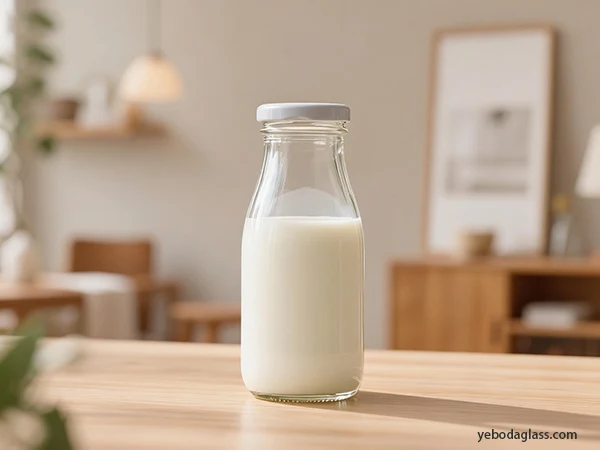
Gli imballaggi sostenibili influenzano le decisioni di acquisto.
Le normative ambientali influenzano gli appalti molto prima che i consumatori se ne accorgano.
La legislazione europea in materia di imballaggi continua a promuovere imballaggi riciclabili, un'etichettatura migliorata e iniziative di economia circolare che incidono direttamente sui fornitori di imballaggi in vetro.
Per i produttori, questo significa investire in:
- Maggiore contenuto di vetro riciclato
- Produzione leggera
- Miglioramento dell'efficienza del forno
- Sistemi di bottiglie riutilizzabili
- Riduzione dei rifiuti di imballaggio
Tendenza 5: La tecnologia dei coperchi sta migliorando
La bottiglia attira l'attenzione.
Il coperchio protegge il prodotto.
Oggi i compratori all'ingrosso scelgono sempre più spesso:
| Tipo di coperchio | Migliore applicazione |
| Tappo a vite | Latte fresco |
| Tappo a vite | Prodotti lattiero-caseari pastorizzati |
| Tappo in alluminio | Bevande premium |
| Coperchio in plastica antimanomissione | Distribuzione al dettaglio |
| Coperchio con guarnizione in silicone | Bottiglie di vetro ricaricabili |
La prevenzione delle perdite è diventata importante quanto l'aspetto estetico della bottiglia.
Tendenza n. 6: La compatibilità con l'automazione rappresenta un vantaggio competitivo.
Tendenza n. 6: La compatibilità con l'automazione rappresenta un vantaggio competitivo.
Le fabbriche che imbottigliano 20.000 bottiglie all'ora non possono tollerare finiture del collo non uniformi.
I fornitori professionali di bottiglie di vetro per il latte ora si concentrano su:
- Dimensioni precise del collo
- Compatibilità con la chiusura automatizzata
- Tolleranza stabile dell'altezza della bottiglia
- Spessore costante della parete
- Prestazioni di trasmissione fluide
Queste caratteristiche riducono i tempi di inattività durante le operazioni di riempimento.
Tendenza 7: Quantità minime d'ordine (MOQ) più basse conquistano nuovi clienti
Dieci anni fa, molte fabbriche richiedevano volumi di produzione enormi.
Oggi, i marchi di prodotti lattiero-caseari di nicchia spesso iniziano con quantità ridotte prima di espandere la produzione.
I produttori di dispositivi flessibili offrono sempre più spesso:
- Programmi di rifornimento bottiglie
- decorazione a basso MOQ
- Stampa digitale
- Sviluppo rapido degli stampi
- Carico di container misti
Questa flessibilità riduce il rischio di inventario.
Tendenza 8: Gli imballaggi intelligenti si stanno diffondendo nel settore lattiero-caseario
Il packaging non diventerà elettronico da un giorno all'altro.
Ma l'identificazione digitale è in espansione.
Alcuni esempi:
- Tracciabilità tramite codice QR
- Elaborazione batch
- Informazioni sull'origine agricola
- coinvolgimento dei consumatori
- Autenticazione del prodotto
Gli imballaggi intelligenti aumentano la trasparenza lungo tutta la catena di fornitura.
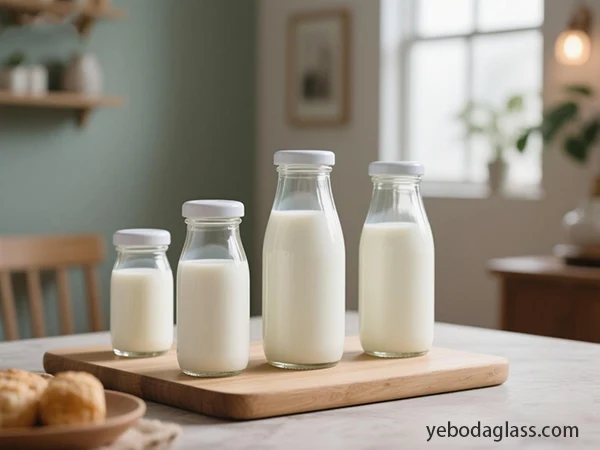
Come scegliere i fornitori all'ingrosso di bottiglie di latte con tappo
Il prezzo è importante.
La coerenza è più importante.
Questi sono gli aspetti che consiglio sempre di valutare quando si considerano i fornitori:
| Fattore di valutazione | Perché è importante |
| Esperienza in fabbrica | Qualità di produzione stabile |
| Certificazioni per uso alimentare | Conformità normativa |
| Capacità di stampaggio | Personalizzazione più rapida |
| sistema di controllo qualità | tassi di difettosità inferiori |
| Esperienza di esportazione | Documentazione affidabile |
| Design del packaging | Migliore attrattiva sullo scaffale |
| Tempi di consegna | Pianificazione delle scorte |
| Comunicazione | Esecuzione più rapida del progetto |
L'offerta più bassa corrisponde al costo più alto.
Domande frequenti
Che cosa sono le bottiglie di latte all'ingrosso con tappo?
Le bottiglie per il latte con tappo all'ingrosso sono contenitori per il confezionamento del latte, forniti ad aziende lattiero-casearie, distributori, rivenditori e aziende di bevande per il confezionamento commerciale del latte. Generalmente sono disponibili in vetro con tappi compatibili, possibilità di personalizzazione, documentazione normativa e prezzi all'ingrosso adatti agli acquisti industriali.
Quali sono le cause della crescente popolarità delle bottiglie di latte in vetro all'ingrosso?
Le bottiglie di vetro per il latte destinate alla vendita all'ingrosso stanno diventando sempre più popolari grazie al loro marchio di alta qualità, alla riciclabilità, alla resistenza agli agenti chimici e all'eccellente presentazione del prodotto. Anche i sistemi di imballaggio riutilizzabili e la preferenza dei consumatori per materiali di imballaggio ecocompatibili sono importanti per molte aziende lattiero-casearie.
Cosa considerare quando si acquista un fornitore di bottiglie di vetro per il latte?
Quando si seleziona un fornitore di bottiglie di latte in vetroOccorre valutare la capacità produttiva, la certificazione per il contatto con gli alimenti, il sistema di controllo qualità, la possibilità di personalizzazione, l'esperienza nell'esportazione e la coerenza della produzione. Gli acquisti di grandi dimensioni dovrebbero essere effettuati sulla base di un'ispezione dei campioni, dei referti di laboratorio e delle referenze di esportazione precedenti.
Le bottiglie di vetro leggero durano a lungo?
Le bottiglie più leggere al mondo sono comunque resistenti perché i produttori ottimizzano la geometria della bottiglia e la distribuzione del vetro, anziché limitarsi a ridurne la quantità. Grazie a un'ingegneria appropriata, è possibile ridurre il peso mantenendo inalterate le prestazioni meccaniche durante le fasi di riempimento, trasporto e vendita al dettaglio.
Quali sono le tendenze del packaging per il 2026 che influenzeranno il confezionamento del latte?
Per il 2026, le tendenze di packaging più rilevanti per il latte iniziano con materiali più leggeri, come il vetro leggero, o altre opzioni che trasmettono un'impressione simile. Allo stesso tempo, si registra una maggiore enfasi sulla personalizzazione di alta qualità, il che significa che i marchi desiderano etichette e finiture che appaiano impeccabili anche da vicino, non solo "sufficientemente buone". Anche le bottiglie di latte riutilizzabili sembrano guadagnare terreno, perché le persone sono attente alla riduzione degli sprechi e i caseifici puntano a cicli di produzione più efficienti.
Poi c'è l'aspetto noioso ma cruciale, la conformità al contatto con gli alimenti, che in pratica è il regolamento in materia di sicurezza e idoneità, quindi sì, influenza il design delle bottiglie più di quanto si voglia ammettere. La tracciabilità digitale è un'altra direzione, come la possibilità di tracciare i lotti con codici QR o sistemi simili, in modo che i marchi possano reagire più rapidamente in caso di problemi. Infine, la compatibilità con la produzione automatizzata sta diventando sempre più comune, poiché le linee di confezionamento sono sempre più ingegnerizzate, il che significa che la bottiglia dovrebbe adattarsi a flussi di lavoro più rapidi e precisi.
Nel complesso, questi cambiamenti possono aiutare i marchi di latte a ridurre i costi logistici, migliorare i risultati in termini di sostenibilità e aumentare l'attrattiva sugli scaffali, anche se sulla carta possono sembrare di poco conto, tendono a riflettersi nei negozi.
Considerazioni finali
Ho visto persone contrattare per settimane su pochi centesimi per una bottiglia, senza considerare tutti gli altri fattori che influenzano il packaging, come il trasporto, l'efficienza di riempimento, l'aspetto del prodotto, la percezione del marchio a lungo termine, ecc.
Questo è il contrario.
La migliore strategia di approvvigionamento per il 2026 non consiste semplicemente nel trovare il preventivo più basso. Significa collaborare con un fornitore di bottiglie di vetro per il latte in grado di offrire una qualità costante, verificata tramite materiali per uso alimentare, decorazioni personalizzate e una produzione scalabile.
La bottiglia non è l'unica cosa presente oggi sul mercato dei prodotti lattiero-caseari!
Questa è una parte del prodotto.

 IT
IT  EN
EN  FR
FR  DE
DE  ES
ES  CS
CS  PT
PT  NL
NL  PL
PL  TR
TR  AR
AR  KO
KO  JA
JA  ZH
ZH  RU
RU  HU
HU