
Introduction
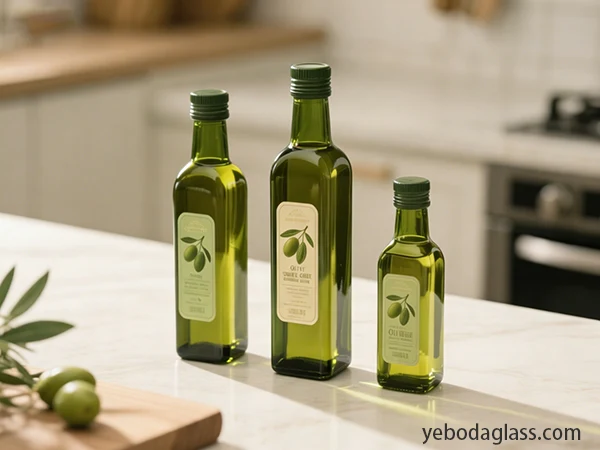
Olive Oil Bottle Wholesaler Planning Forecasting Models
Exponential smoothing and ARIMA are some of the statistical models that are used to predict packaging needs. Advanced AI-powered systems increase long-term accuracy, allowing oil suppliers partners of the company to change production schedules beforehand. Machine learning models have the potential to minimize risk in inventory and enhance synchronization between supply and demand.
Data Integration Requirement
A good partnership with a olive oil bottle wholesaler requires an integrated data, such as SKU mapping, marketing operations, export data, and a trend of raw material costs. Proper data eliminates wastages and enhances supplier bargaining on the purchase of glass olive oil bottles.
Volume-Based Negotiation and Capacity of Suppliers
When choosing an olive oil supplier, large volumes of stock on an annual basis will give greater bargaining power during the process of negotiations. Increased commitments will translate to lower costs of mould and per-unit price of custom glass bottles and enhance an overall cost reductions.
Material and Design Compliance with the Supplier of Olive Oil Bottles Capabilities
The composition of the material and the design of the bottles have a direct impact on oil preservation and brand image. The ordinary olive oil bottle wholesaler professionally is required to provide technical knowledge on the science of glass and the professionalism of package designs.
UV Protection and Glass Olive Oil Bottles Performance
Olive oil gets spoilt on exposure to light. Amber and dark glass olive oil bottles contain better UV protection than the clear glasses. A good olive oil bottle wholesaler must provide various color varieties that have to meet the shelf-life needs without compromising good looks.
Color protection levels:
| Glass Color | UV Protection Level | Suitable Use |
| Clear | Low | Decorative, short shelf life |
| Green | Medium | Standard retail |
| Amber | High (99% UV block) | Premium olive oil |
| Black | Maximum | High-end export |
Food Safety Standards and Chemical Inertness
The glass bottles with high quality are non-porous and chemically inert, which eliminates the migration and retains taste and aroma. A certified olive oil bottle wholesaler guarantees the adherence to the FDA and the EU food-contact regulations and the limits of heavy metal migration as well.
Flexibility of Custom Mold Development and Branding
A knowledgeable olive oil bottle wholesaler offers custom mold services, embossing, as well as decoration including silk screen printing and included ceramic labels. Lightweighting technologies save money on transportation without compromising on the structural strength.
Olive Oil Bottle Wholesaler Selection Geographic Sourcing Models
The decision of domestic and international sourcing entails a trade off of cost, risk, and lead time. A skilled strategy of supplying olive oil bottles incorporates the diversification of risks.
Domestic and International Bottle Supplier of Olive Oil
Local sourcing comes with a reduced lead time and simplified quality management. The sourcing internationally can lower costs but creates delay in shipping and geopolitical risks. Before committing, companies have to consider the total landed cost of glass olive oil bottles.
Risks of Fragile Glass Bottles Transportation
The process of transporting glass bottles needs special kind of packaging to avoid vibration damages and breakage. The key factors in the case of international supplier of olive oil bottles are temperature control, package shock-resistance, and cargo insurance.
Supplier Financial Stability and Contingency Planning
Suppliers who are financially stable do not pose many disruptions. Ratings of credit, ESGs, production redundancy are some of the factors that would work to ensure long-term reliability of an olive oil bottle wholesaler.
Quality Assurance Protocols When Evaluating an Olive Oil Bottle Manufacturer
The main priority in safeguarding the integrity and brand value of olive oil is quality assurance. All the olive oil bottle wholesalers have to prove intensive testing and inspection.
Test Glass Composition and Migration Testing
Glass bottles of olive oil which are used in food industry should be able to complete chemical migration tests in real life situations. Glass bottles containing soda-lime and borosilicate are highly known to be inert and safe.
Dimensional Accuracy and Strength Structural
Accurate height, diameter, neck finish and wall thickness guarantees compatibility of the closure and efficiency of the filling line. Burst strength, thermal shock and impact testing will verify the durability standards demanded by a professional wholesaler.
Defect Classification and AQL Standards
Cracks, bubbles and inclusions among others are considered as defects under AQL guidelines. Good supplier of olive oils uses zero-tolerance policies on critical safety flaws and automated inspection systems.
Olive Oil Bottle Wholesaler Decisions: Total Cost of ownership Analysis
It is not enough to pay attention to price per unit. Total Cost of Ownership (TCO) should be included as a part of a thorough analysis of an olive oil bottle wholesaler.
Mold Investment and Production Volume Economics
Glass olive oil bottle molds can be custom made and cost thousands of dollars. But, the more units produced the lower the per-unit costs. New tools can be amortized by hitting a deal with a single olive oil bottles supplier in the long term.
Risk-Related Costs and Indirect Costs
Overall costs are greatly affected by the inventory holding, quality failures, late shipments, and tariffs. The choice of an oil oil bottle supplier with reliability minimizes the unseen costs and the volatility in supply chains.
Lightweighting and Cost-Efficiency Sustainability
Glass bottles with less weight improve the consumption of material and freights. An innovative olive oil bottle wholesaler invests in the latest technologies of forming to make a weight optimization that does not weaken the strength.
Permanent Innovation and Long-term collaboration with an Olive Oil Bottle producer
Sustainability and technological innovation are no longer practiced as an option in the current environment of packages; it is a strategic requirement. Analyzing a olive oil bottle wholesaler, companies should not only focus on price and quality, but also on long-term environmental influence, compliance with the regulations, and ability to be innovative. A progressive olive oil bottle distributor will incorporate the key aspects of the circular economy, energy efficiency as well as the glass engineering in the business and the glass olive oil bottles will be designed to fulfill the present and upcoming market demands. Sustainability has a direct relationship with brand perception. Consumers have been linking high quality olive oil to eco friendly packaging. Subsequently, the brand credibility, and market competitiveness increase because of working with an olive oil bottle supplier that invests in low-carbon production, recycled material, and open environmental reporting. Secondly, the regulatory frameworks in Europe and North America are increasingly imposing stricter demands on environmental compliance, and it is a requirement of all olive oil bottle supplier to have active pro-sustainability strategies.
Circular Economy and Recycled Glass Integration
Among these few materials of packaging, glass can be recycled ad infinitum, without loss of quality. An environmentally conscious supplier of olive oil bottles uses the maximum of the post-consumer recycled (PCR) glass or cullet in manufacturing the glass oil bottles. High content of cullet will produce substantial saving in energy use in the furnaces, carbon emissions, and also based on the use of virgin raw materials such as silica sand and soda ash. The use of recycled material also adds to stability of costs. As the prices of raw materials and energy are extremely fluctuating, an olive oil bottle wholesaler that has formed recycling measures can curb the variations of prices. Moreover, the lightweighting efforts to make bottles heavier without sacrificing structural integrity would reduce transportation emissions and logistics costs. Optimized glass bottles are effective in reducing carbon footprints of supply chains that have brands shipping internationally. Another emerging trend is the reusable packaging systems. A refill programme with durable glass olive oil bottles that can be used many times is also being tested by some brands of olive oil. Such programs can be assisted by an innovative supplier of olive oil bottles to increase the durability of the bottles, the resistance of the surfaces, and the compatibility of the closures.
Innovative Coatings and Conservation Technology
The sphere of technological progress is essential to enhancing the shelf life and the performance of the packaging of olive oil. A supplier of olive oil in bottles that is research-based will invest in new coating and block additions to ensure that oil is not exposed to light and oxygen. In addition to the conventional color amber and dark green, contemporary UV-filter pigments can also enhance coloration to a level of blocking all light and maintaining antioxidants and flavor molecules in quality olive oils. Cold-end processing surface coatings increase the ability to resist scratches and also minimize friction when being moved. This reduces cosmetic flaws and breakages especially where the commodity is exported in large quantities like glass olive oil bottles. There are even suppliers that test antimicrobial or easy-clean coating to enhance hygiene and convenience to consumers. The brands can incorporate anti-counterfeiting measures into glass bottles with digital printing technologies and high-precision embossing methods. Laser engraving, micro-texturing, and distinctive mark of mould reinforce brand credibility and avoid counterfeit products. An innovative supplier of olive oil bottles offers these opportunities and remains economical at the same time.
ESG Transparency and Long-Term Strategic Partnership
The procurement decisions become focused on Environmental, Social, and Governance (ESG) standards. A credible supplier of olive oil bottles portrays transparency by having such certifications as ISO 9001 (Quality Management), ISO 14001(Environmental Management), and ISO 50001 (Energy Management). Pledge to responsible manufacturing is also shown through public sustainability reports, Environmental Product Declarations (EPDs) and lifecycle assessments. Other than certifications, relationship management is essential. Due to the long-term cooperation with the supplier of olive oil bottles, they can make joint predictions, share risks, and innovate glass bottles of olive oils. The strategic partnerships promote investments in special production lines, optimal packaging, and constant quality enhancement. Another point of consideration is risk diversification. A strong supplier of olive oil bottles has consistent sourcing sources of raw materials, diversified energy approaches, and contingency production. This strength helps agencies safeguard brands against geopolitical crises, bottlenecks in the supply chain, and unforeseen volatility in the market. Finally, there is a very strong relationship between sustainability and innovation. By choosing an olive oil bottle vendor, which focuses on recycled content, advanced preservative technologies, compliance with the ESG, and partnering with developing it, brands get not just a more environmentally friendly package but a supply chain that assembles into the future. Glass olive oil bottles manufactured under sustainable platforms not only safeguard the quality of the products, but also support brand strengths and environmental accountability in the growing competitive international environment.
Conclusion
The choice of a reliable supplier of olive oil bottles must be strategically based, technically oriented on the material, with integrated quality system, and cost-benefit analysis over a long period. Working with a technologically advanced and sustainable-oriented supplier of olive oil bottles, brands are able to obtain high-quality glass bottle of olive oil that helps to preserve the integrity of the products, increase the appeal of its brand, and provide the global supply chains that are resilient.
 EN
EN  FR
FR  DE
DE  IT
IT  ES
ES  CS
CS  PT
PT  NL
NL  PL
PL  TR
TR  AR
AR  KO
KO  JA
JA  ZH
ZH  RU
RU  HU
HU